Listening to and learning from refugee teachers
“At first, the work felt challenging because I was not used to interviewing people in a formal way. However, it was also exciting because I was able to listen to teachers’ real experiences and learn from them.”
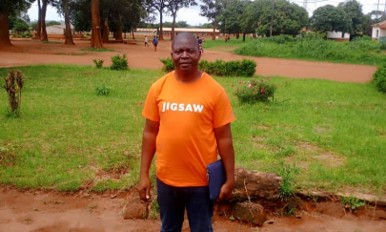
My name is Ajak William Bul Bior. I am a primary school teacher in Kiryandongo Refugee Settlement in Uganda. I have been teaching for three years. In my school, classrooms are often crowded and learning materials are limited. Even with these challenges, teaching is important to me because it gives children hope and knowledge for their future.
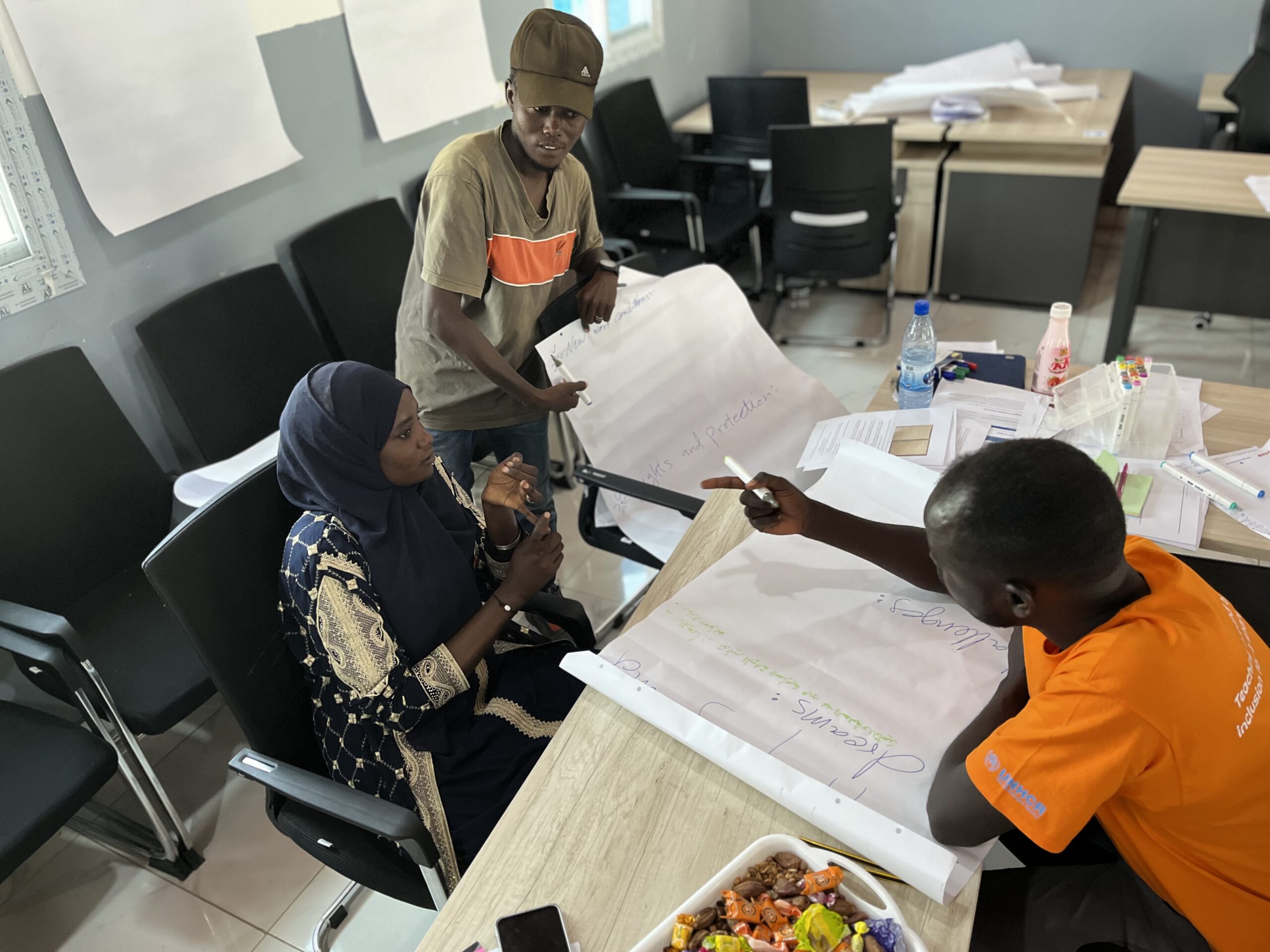
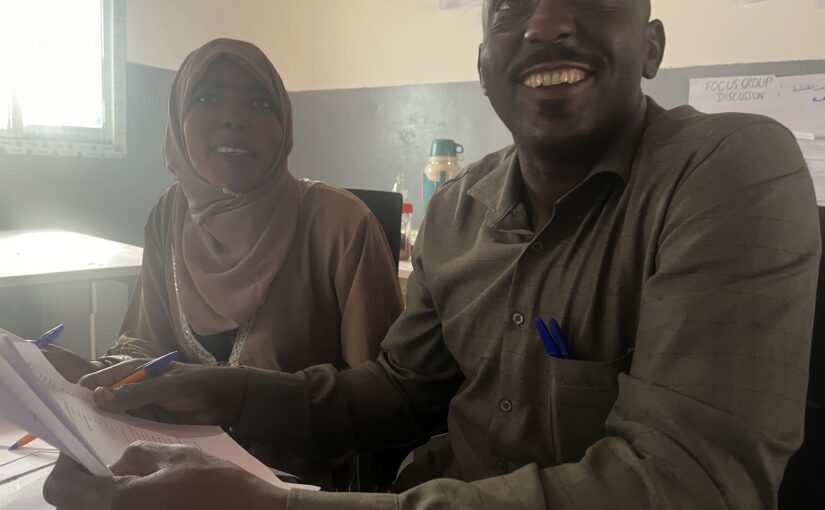
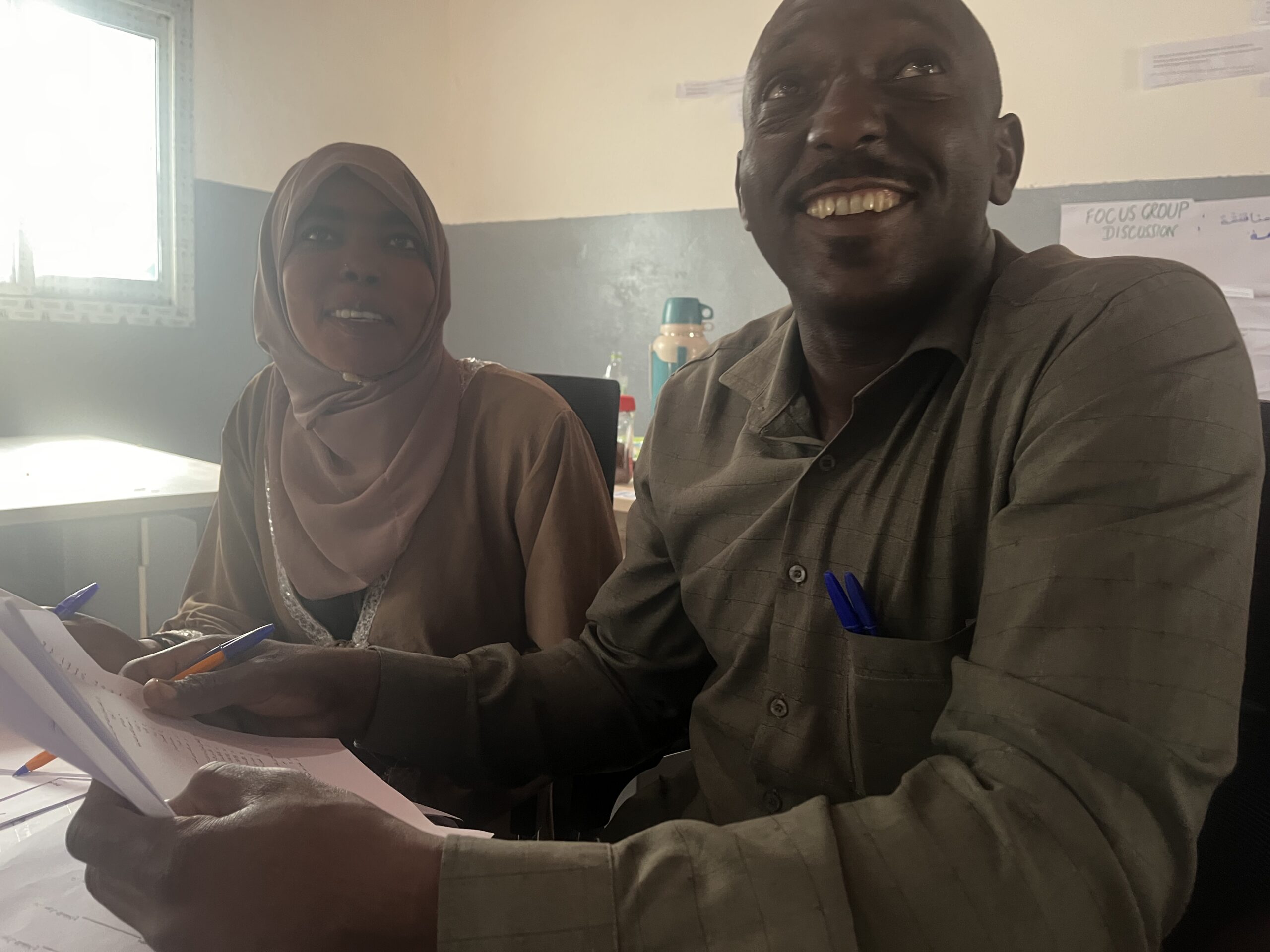
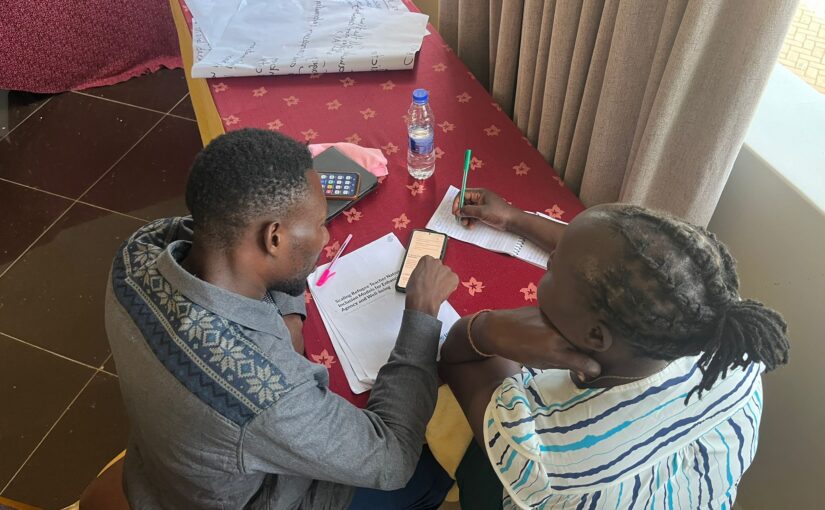
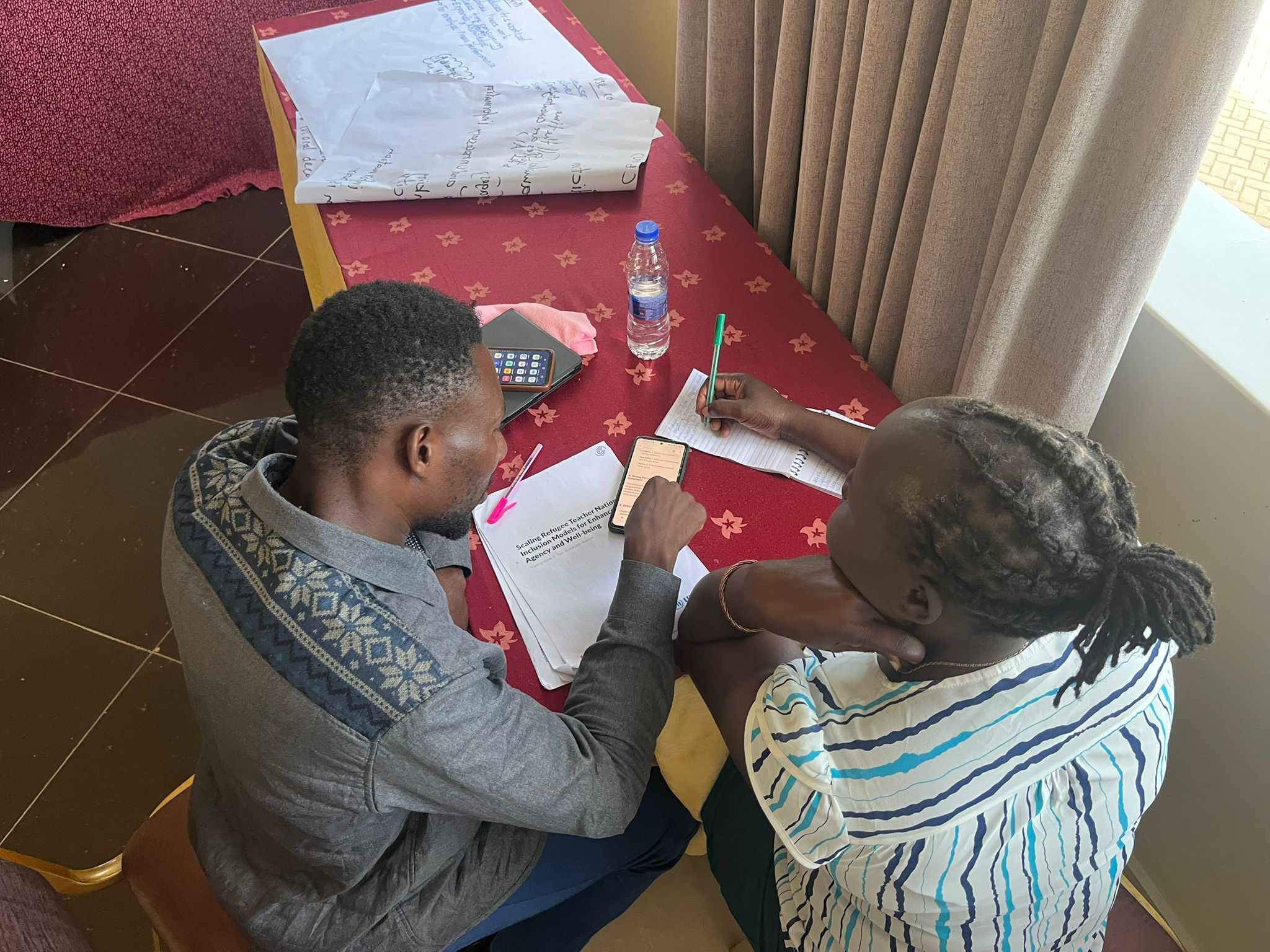
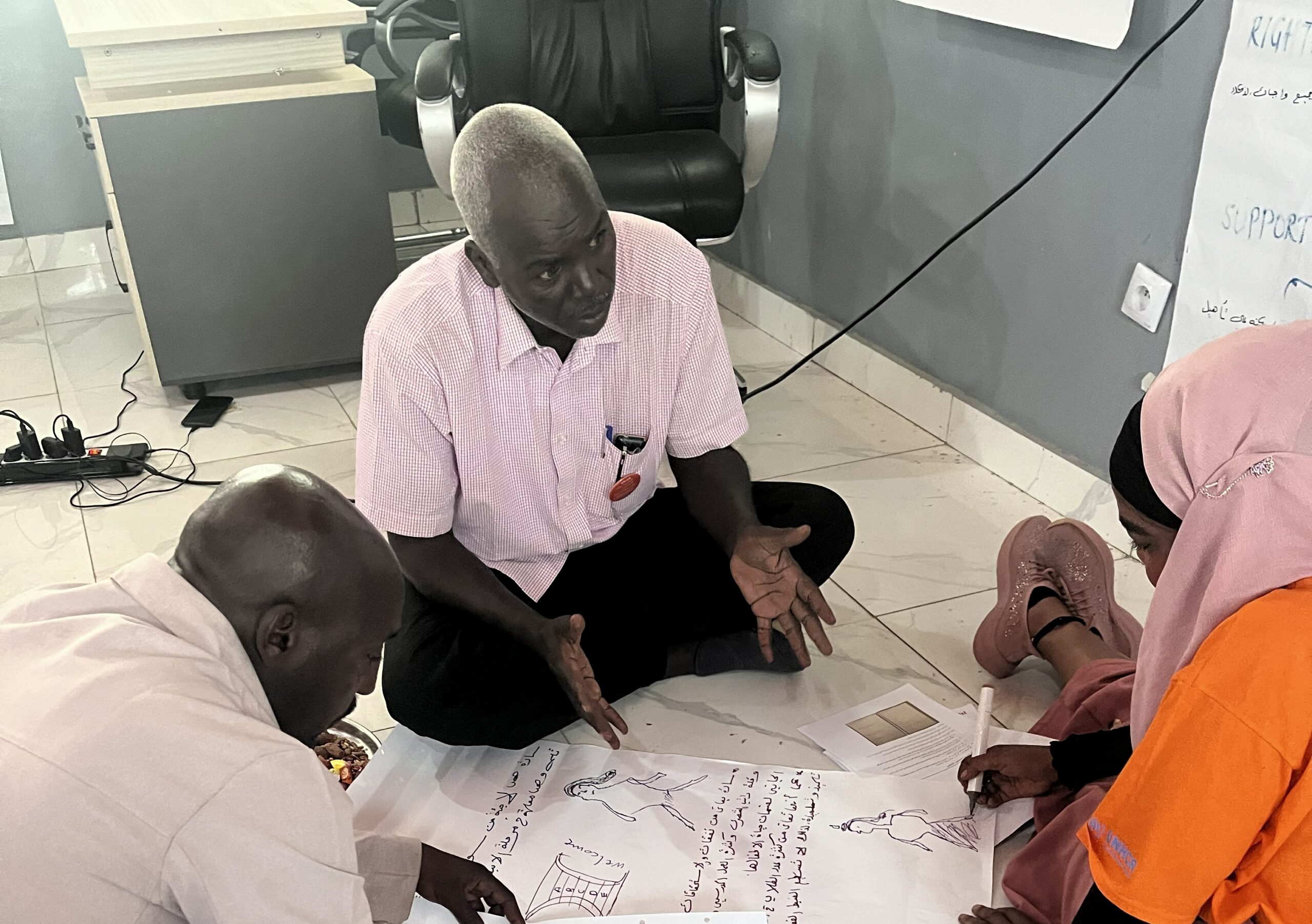
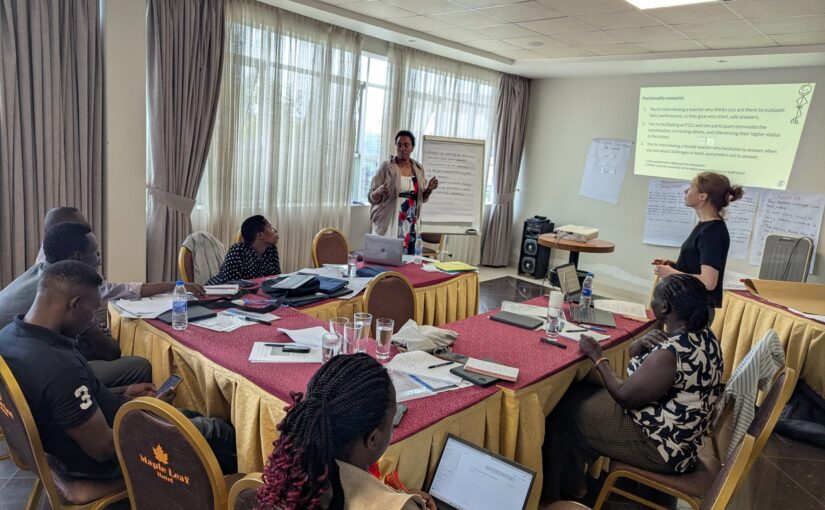
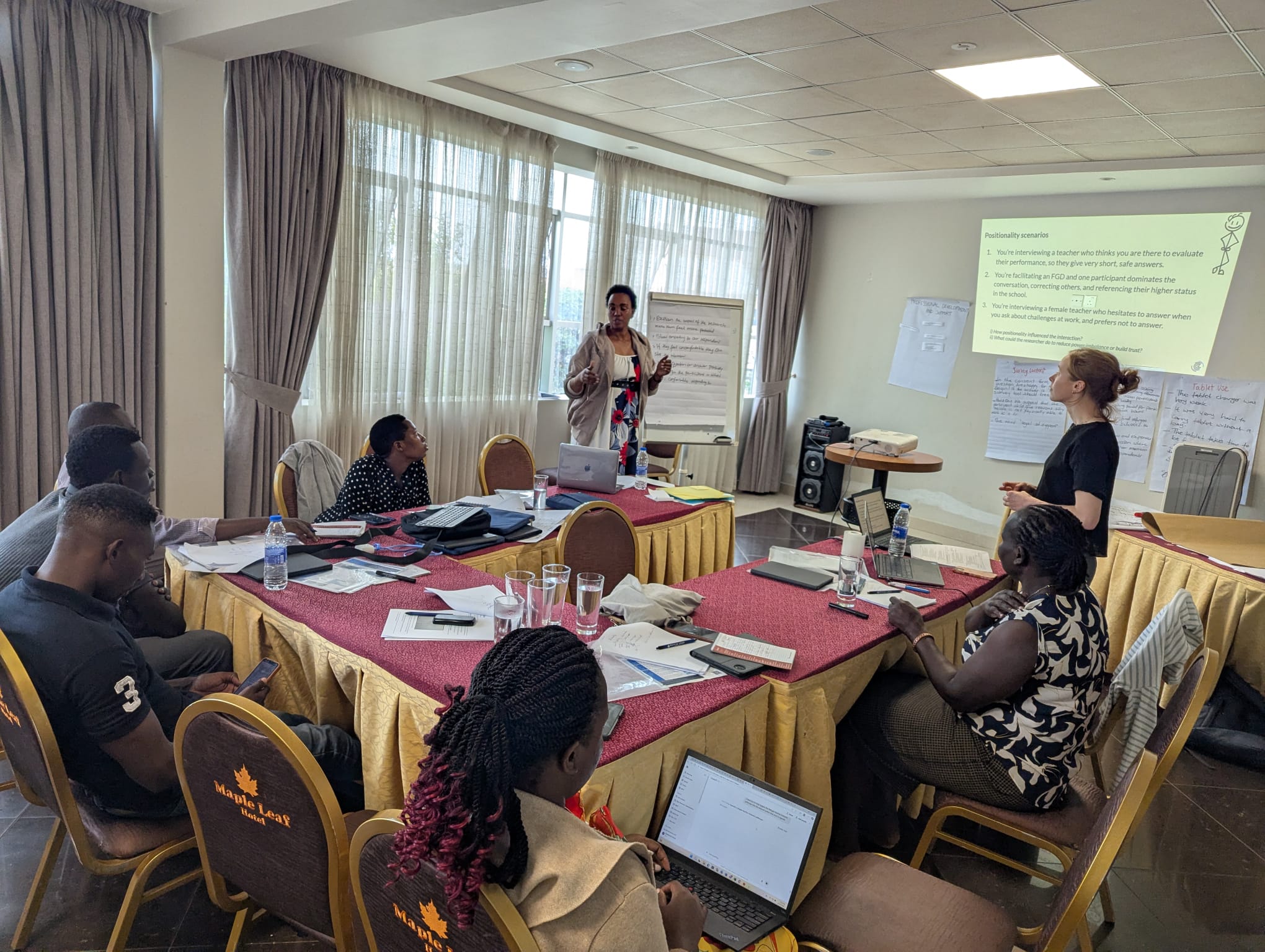
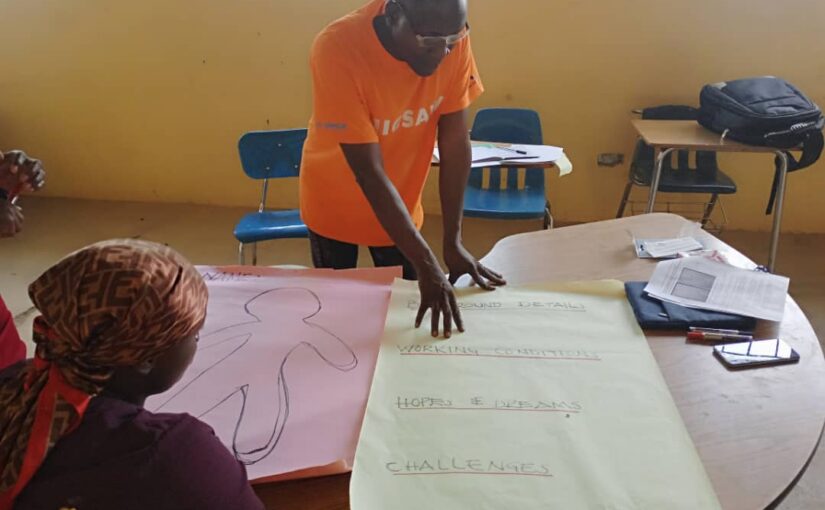
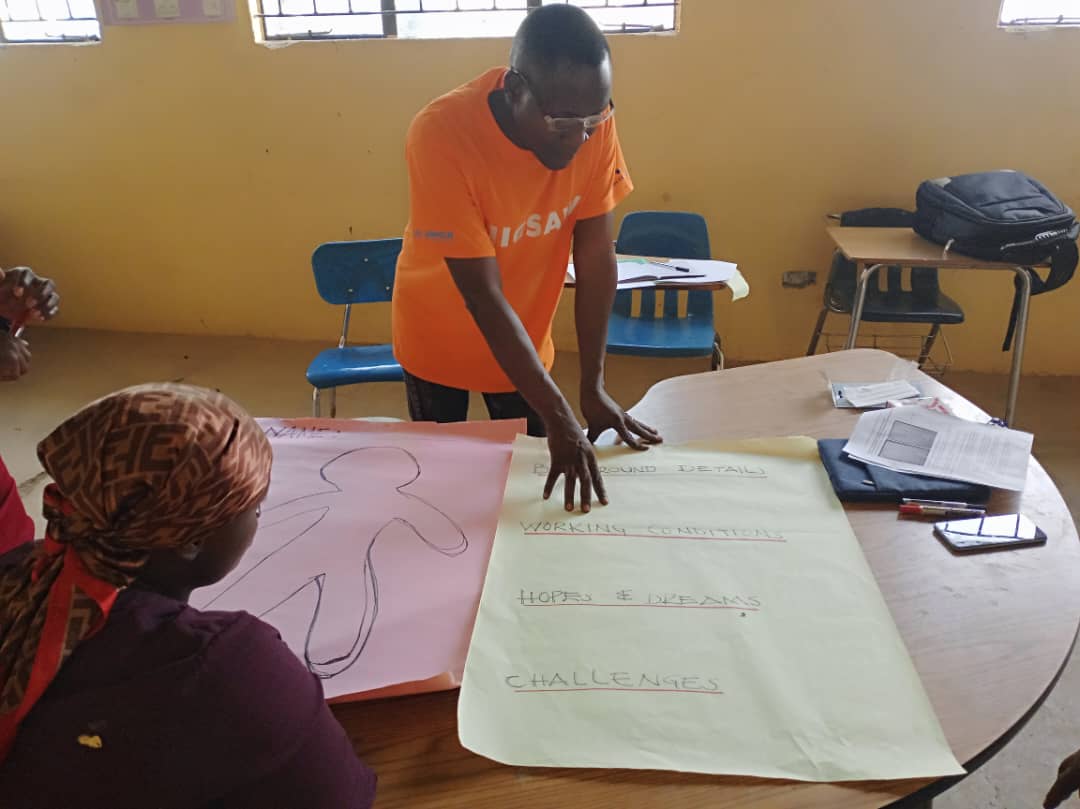
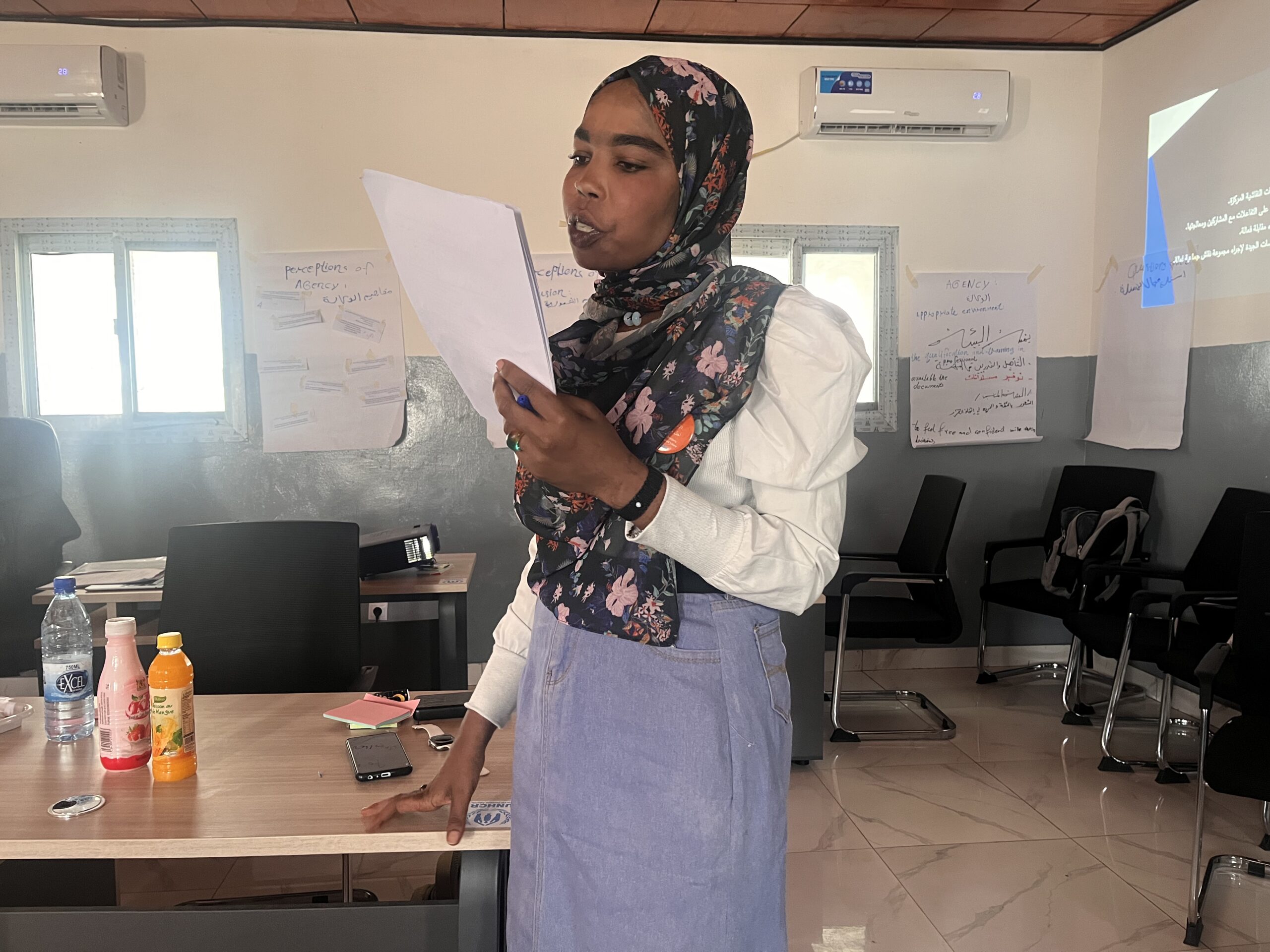
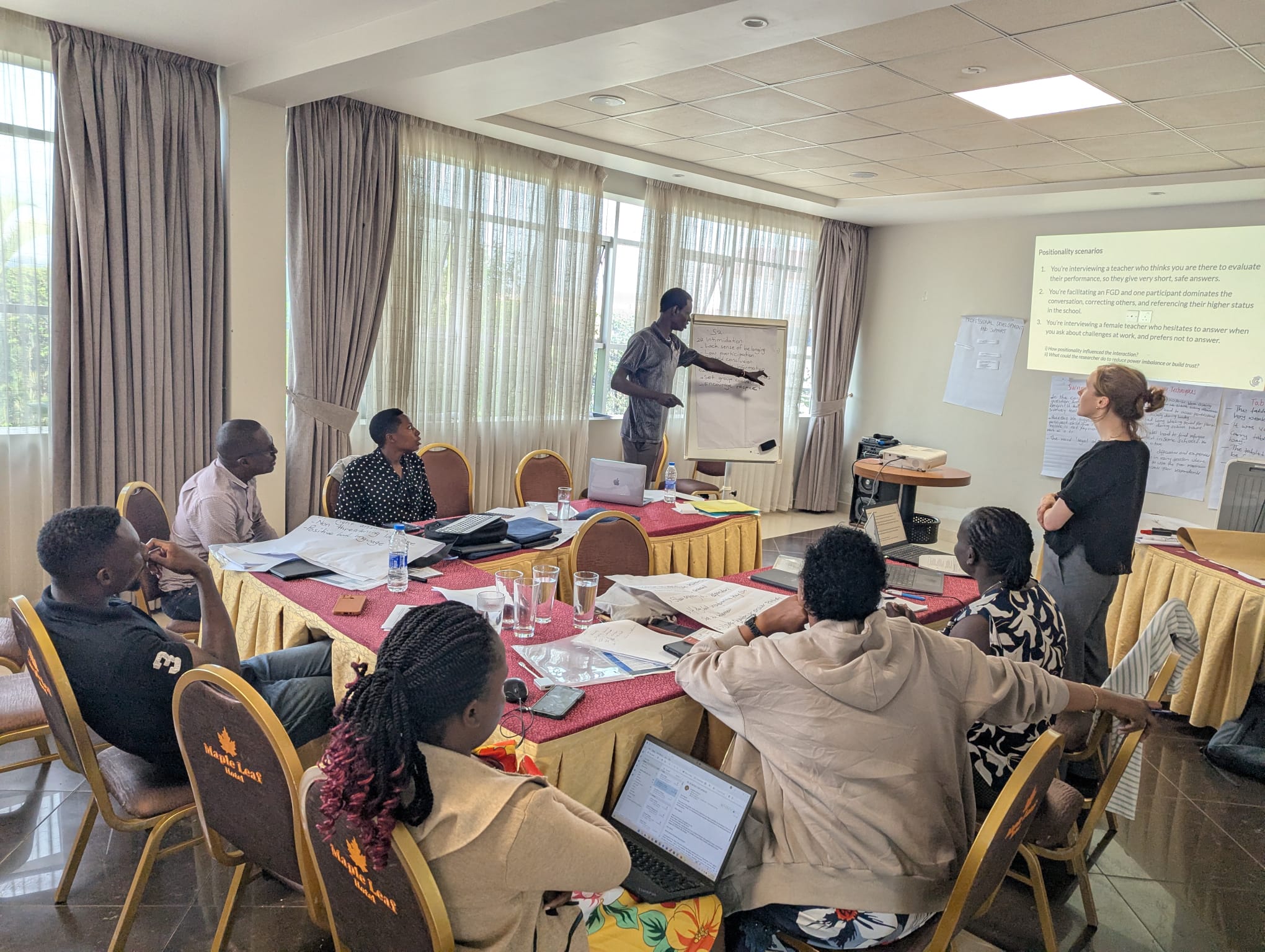
Recently, I had the opportunity to take part in a research project called “Scaling Refugee Teacher National Inclusion Models for Enhanced Wellbeing and Agency,” led by Jigsaw in partnership with Refugee Education UK and UNHCR. In this project, I helped to collect interview data from teachers. This gave me a new role, not only as a teacher but also as a peer researcher.
At first, the work felt challenging because I was not used to interviewing people in a formal way. However, it was also exciting because I was able to listen to teachers’ real experiences and learn from them. During the interviews, I spoke with both refugee teachers and national teachers. One moment I remember clearly was when a refugee teacher explained how difficult it is to have teaching certificates recognised in Uganda. Even though he had teaching experience in his home country, he could not easily get opportunities in Ugandan schools. This showed me that many refugee teachers have strong skills but face challenges they cannot control.
I also noticed differences in how people shared their experiences. Refugee teachers often spoke openly about problems such as short contracts, low pay, and overcrowded classrooms. Some national teachers were supportive and believed refugee teachers should have equal opportunities, but sometimes they did not fully understand the difficulties refugees face.
One challenge during the research was asking questions about stress and discrimination. These topics were sensitive, and some participants became emotional. Because of this, I had to listen carefully and speak respectfully.
Overall, this experience helped me understand more about the real situations that refugee teachers face in their work. It also showed me how important it is to listen to teachers and learn from their experiences. Being a peer researcher helped me grow in confidence and responsibility, and it allowed me to see education in a different way.
I hope the findings from this research will help improve programming and support for refugee teachers so that their skills and experience can be recognised. When refugee teachers are supported and included, they can contribute more to education and help create better opportunities for learners in refugee communities.

This Think Piece is part of a series, featuring 18 refugee teachers from Chad, Uganda and Zambia. You can read the full publication here.
The contributors are peer researchers on a GERE study exploring refugee teacher inclusion, agency, and wellbeing. Read more about the study here.
Funding
This work is supported by the Global Partnership for Education Knowledge and Innovation Exchange, a joint endeavour with the International Development Research Centre, Canada. The views expressed herein do not necessarily represent those of IDRC or its Board of Governors.