What I heard about the exclusion of refugee teachers
By Isaac Zaji
“Refugee teachers have long been overlooked in terms of inclusion and policy recognition. Even those who are part of the system often work without clear conditions of service.”
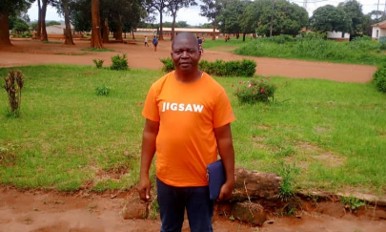
My name is Isaac Zaji, a refugee teacher based in Meheba Refugee settlement in the North-western part of Zambia. I am a secondary school teacher.
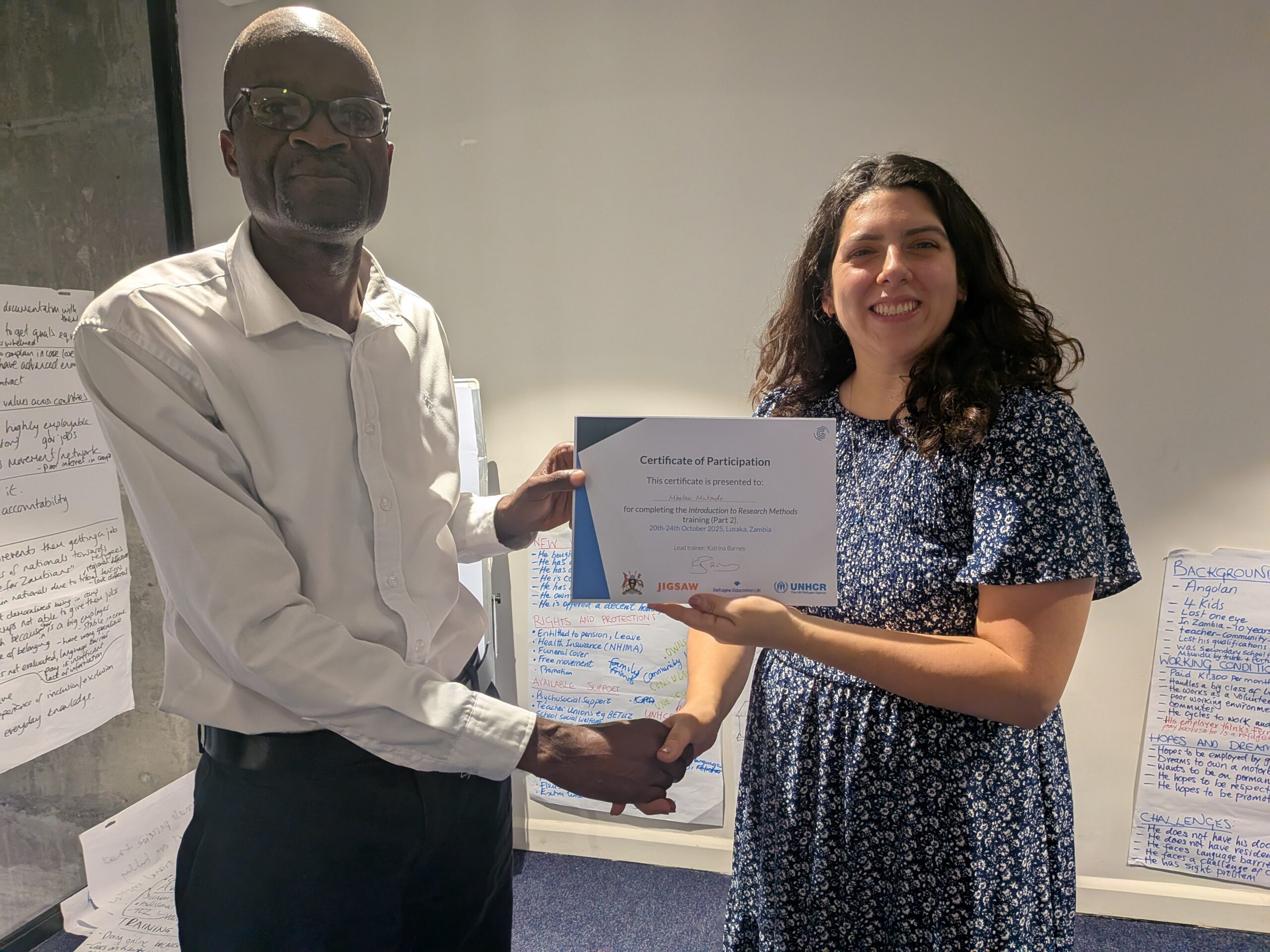
I have been teaching for 26 years, and stepping into the role of a researcher during this study was both exciting and empowering. It felt like a dream come true; to finally have a platform to contribute to improving the welfare and inclusion of refugee teachers. I approached the research with confidence and a strong sense of purpose.
However, my own journey has not been without moments of discomfort and reflection. One particularly disturbing experience occurred during an audit, when questions were raised about how refugee teachers were employed within the national education system. Despite being legally employed through the Teaching Service Commission, the situation made me feel inadequate and highlighted a deeper issue: inclusion without full recognition.
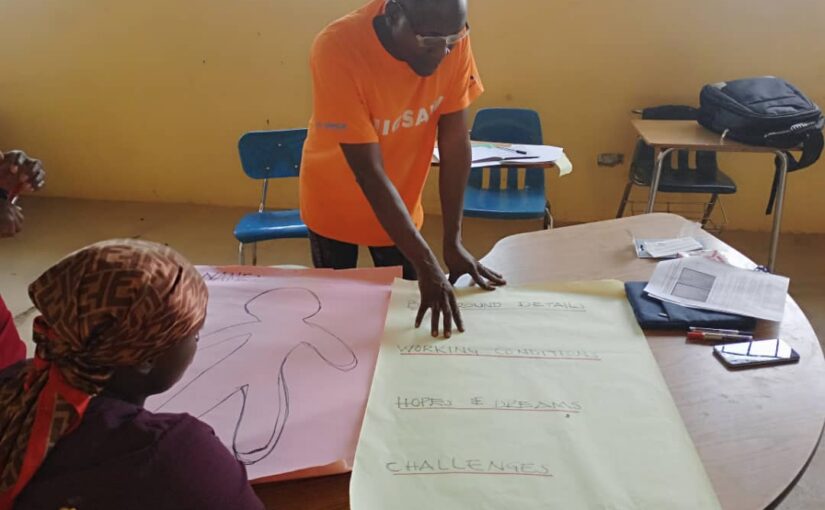
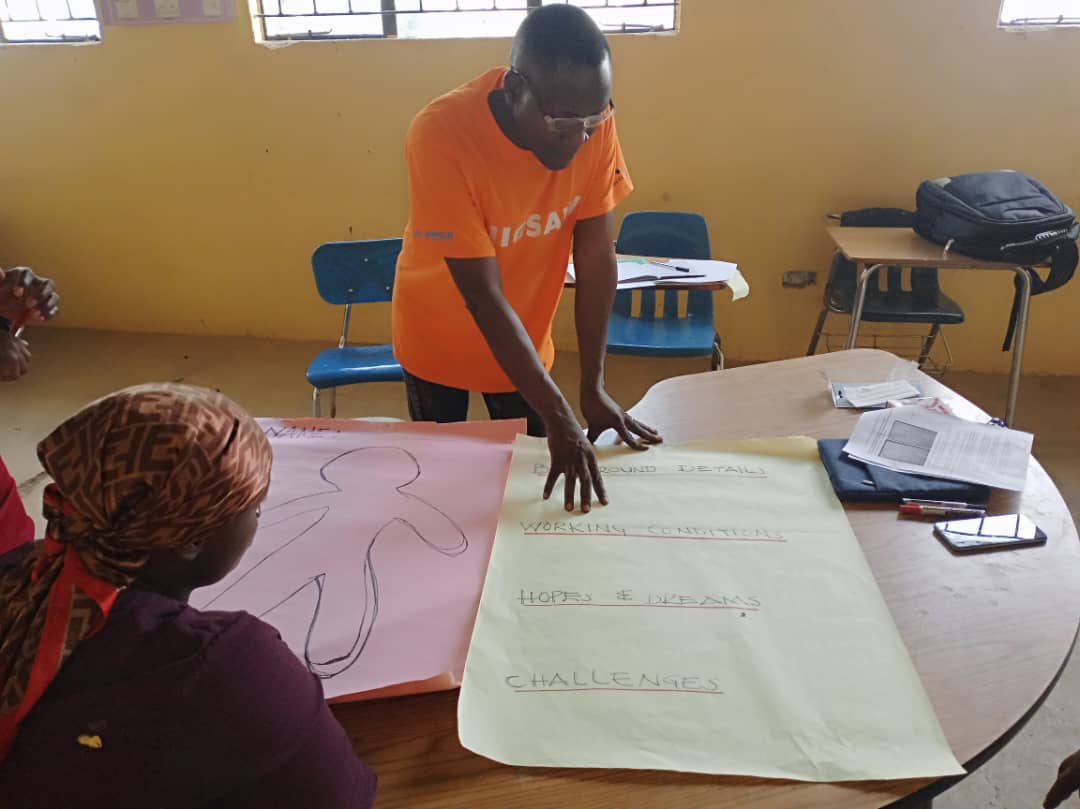
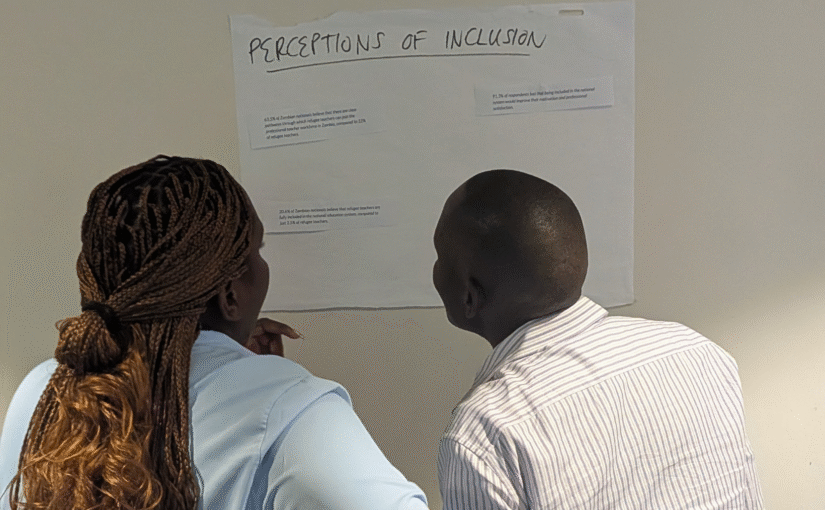
Collecting data through interviews and Focus Group Discussions (FGDs) was insightful. While interviews often produced more structured responses, FGDs allowed participants to express themselves freely and in greater detail.
A deeply moving moment came when a retired refugee teacher revealed that he had not received his terminal benefits even after being laid off 13 years prior. Sadly, he passed away just a few months after sharing his story. Such moments underscored the urgency and importance of this research.
One particularly emotional moment during an FGD involved a retired teacher who had served diligently for 33 years. He shared how the Ministry of Education struggled to process his retirement due to issues with his residency permit. Eventually, he was retired with compensation equivalent to short-term contracts rather than full benefits. His story was both heart-breaking and powerful. It captured the reality faced by many refugee teachers.
If there is one message I would share, it is this: refugee teachers have long been overlooked in terms of inclusion and policy recognition. Even those who are part of the system often work without clear conditions of service. Advocacy has been limited but this is beginning to change. Initiatives like this research, supported by organisations such as Jigsaw Education and its partners, are a turning point.

This Think Piece is part of a series, featuring 18 refugee teachers from Chad, Uganda and Zambia. You can read the full publication here.
The contributors are peer researchers on a GERE study exploring refugee teacher inclusion, agency, and wellbeing. Read more about the study here.
Funding
This work is supported by the Global Partnership for Education Knowledge and Innovation Exchange, a joint endeavour with the International Development Research Centre, Canada. The views expressed herein do not necessarily represent those of IDRC or its Board of Governors.