“I’m motivated, enthusiastic, interested and cheerful about my job, although there are many challenges and obstacles that always discourage me.”
My name is Haidar Abakar Fedail. I have lived in Iridimi refugees settlement three since 2019 . I’m a secondary school biology teacher. In addition to that, I’m a university graduate, in medical laboratory science. I also run a medical laboratory after school.
I want to tell you about my experience at school. Let me tell you first about my feelings and motivations. I’m motivated, enthusiastic, interested and cheerful about my job, although there are many challenges and obstacles that always discourage me.
The working conditions are very hard and indescribable when compared with teaching in other countries. Right now in Iridimi [refugee settlement], teachers are on strike for four days following frequent, prolonged protests. Teachers were disappointed that their demands went unfulfilled. Our problems include lack of support, delayed and interrupted contracts, and insufficient salaries.
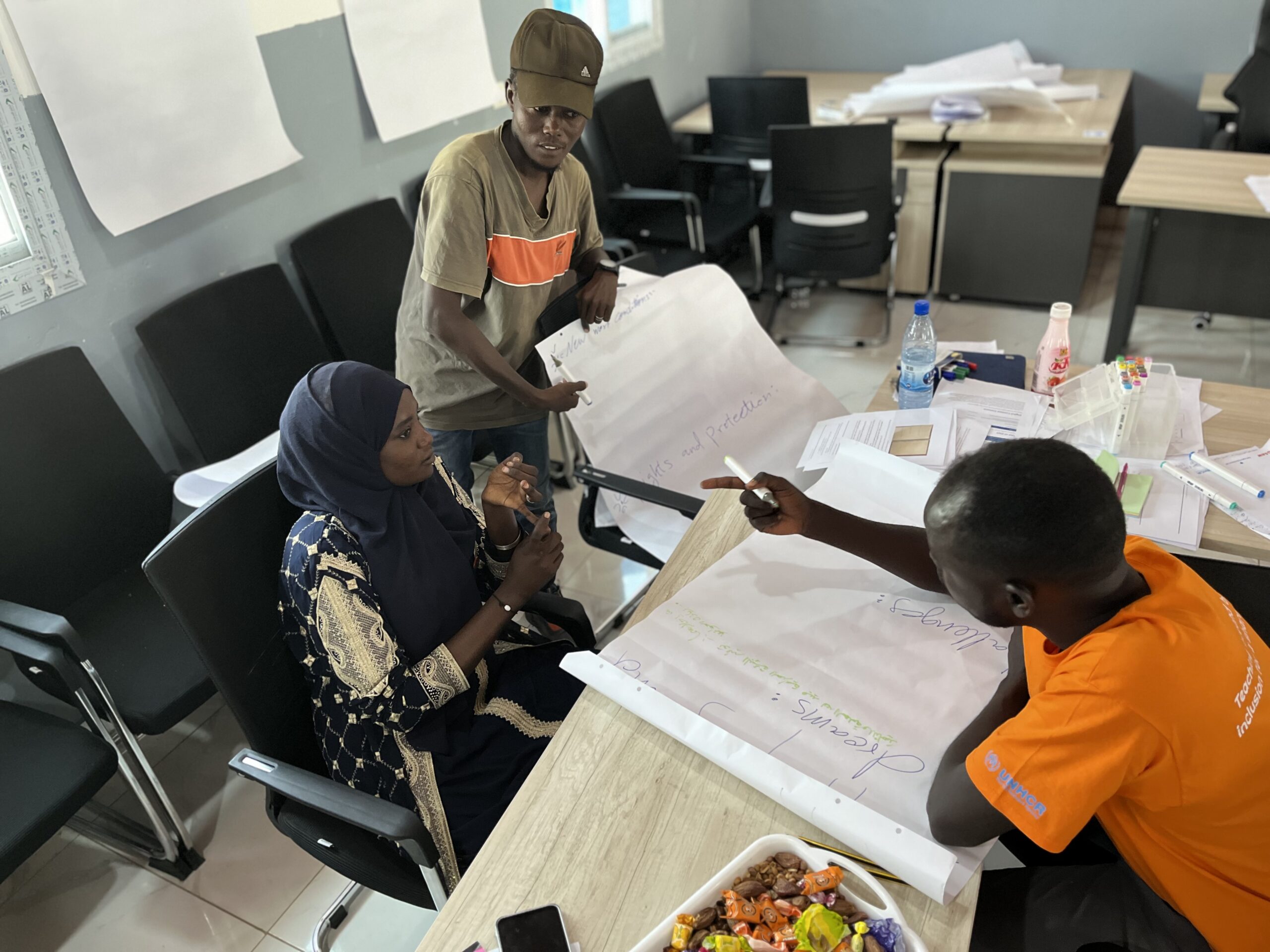
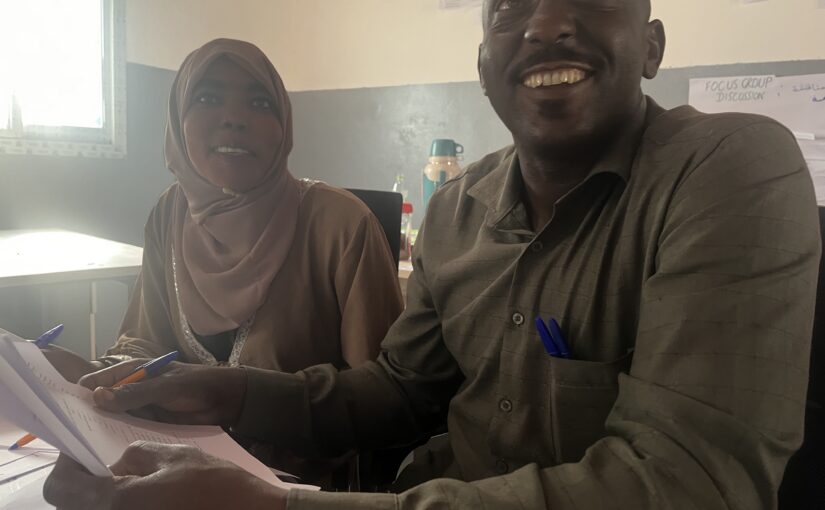
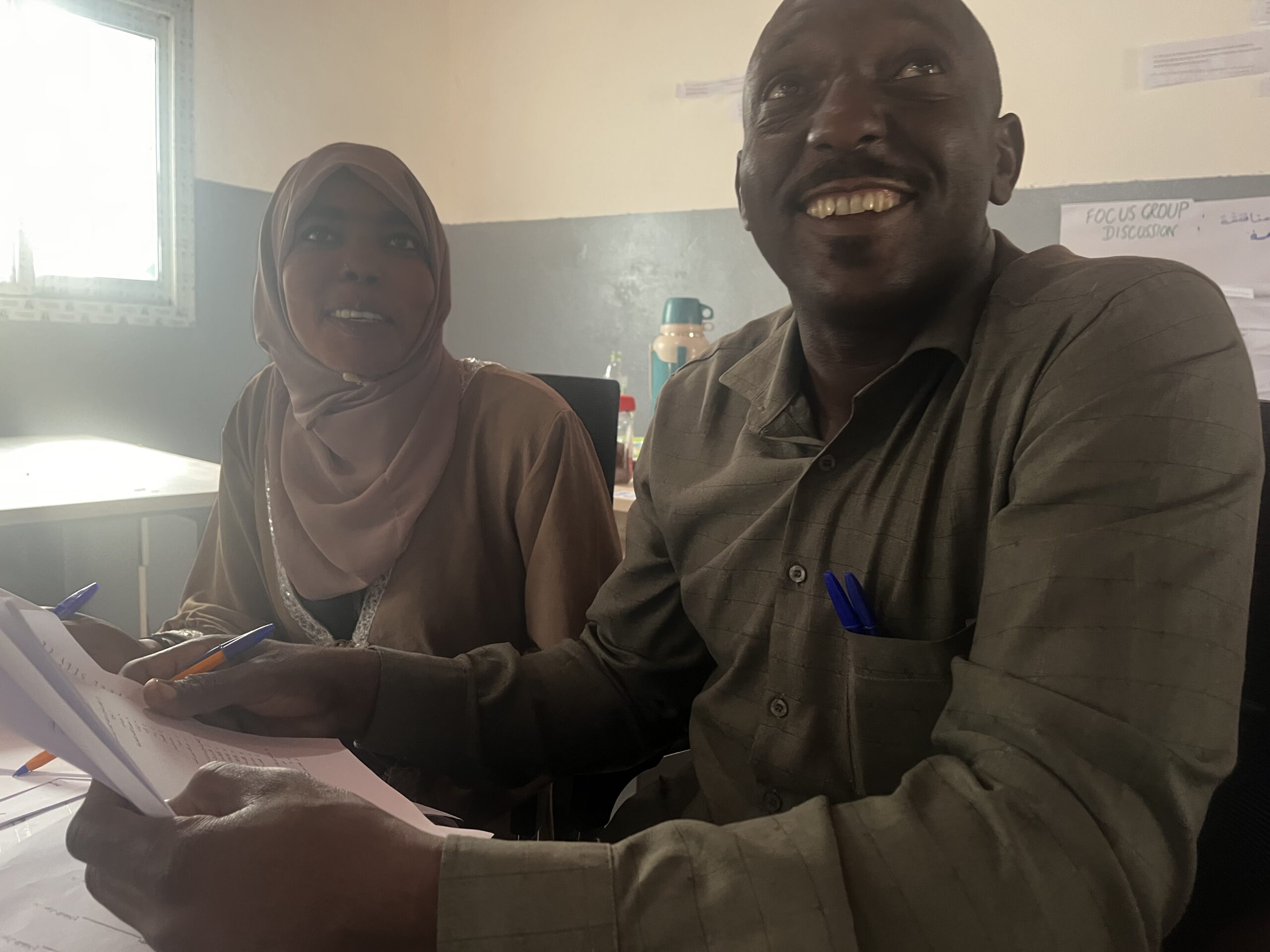
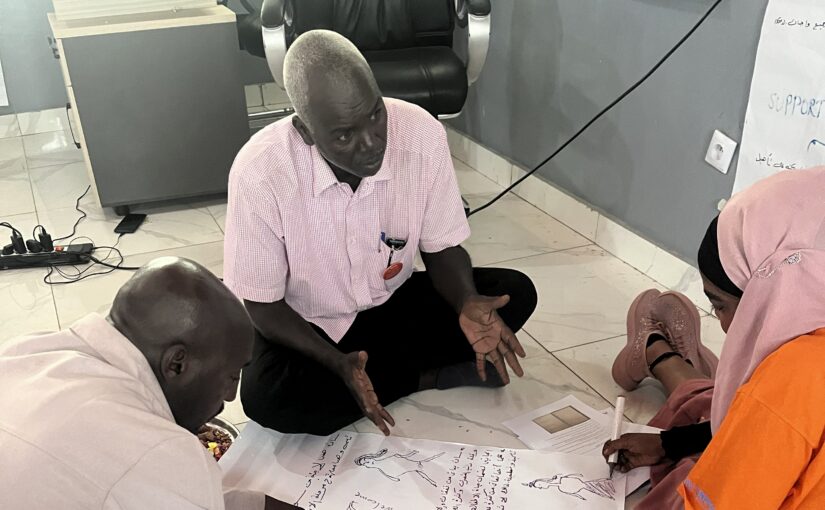
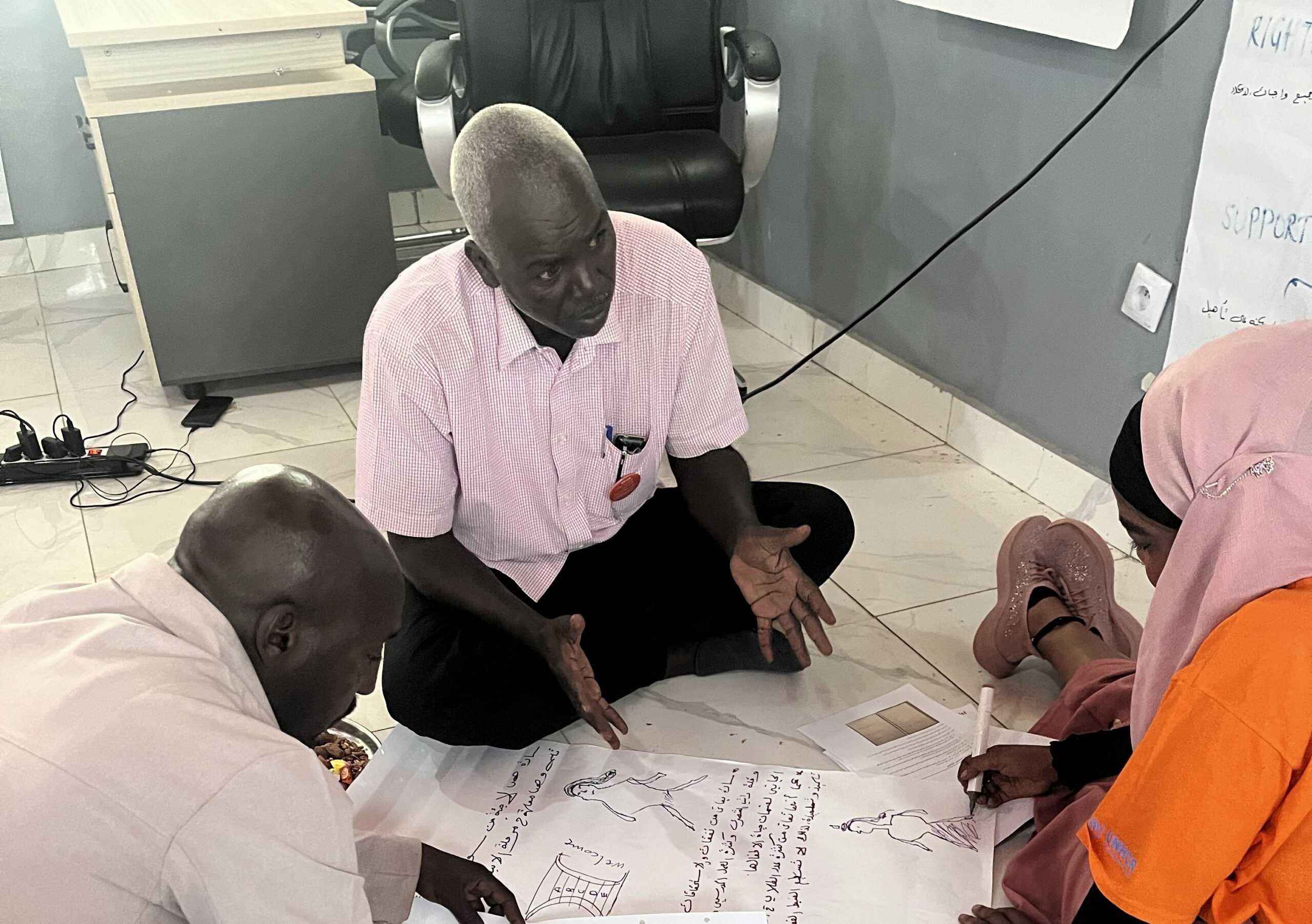
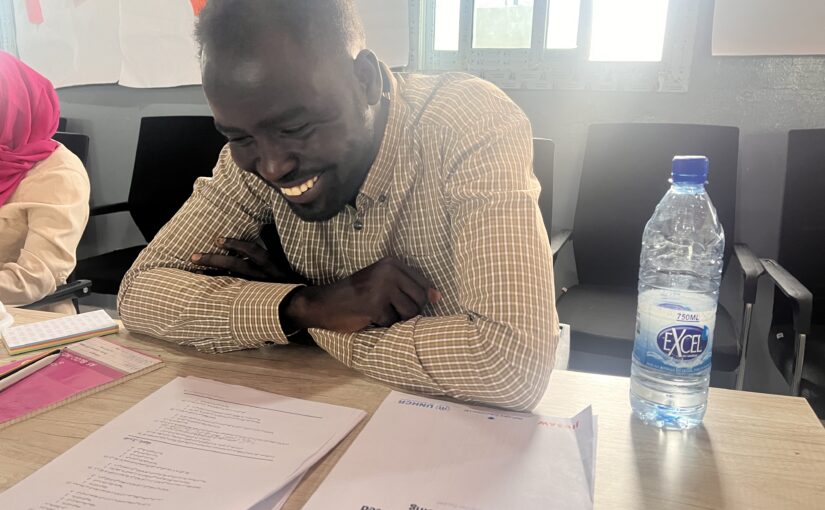
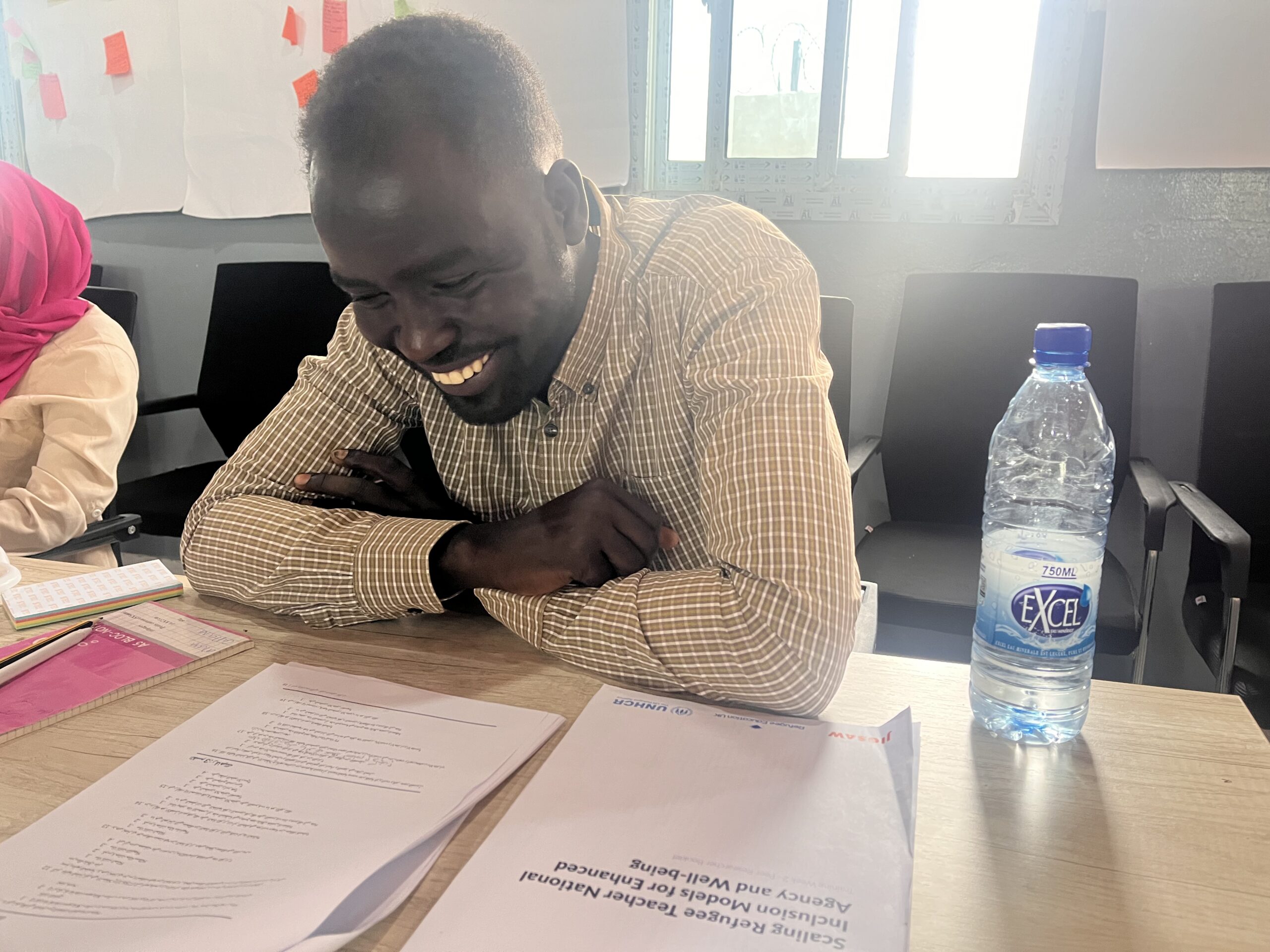
Haidar collaborates with a fellow peer researcher during a research training week.
We are having a terrible dispute and sharp discussions and negotiations with educational authorities in the location because they are not going to pay teachers for three months during their holiday . According to the latest information issued by UNHCR and JRS, refugee teachers in refugee settlements will not be paid during the coming summer holiday.
There’s also other challenges which affect teachers, such as lack of salary, wellbeing, inclusion and agency.
This Think Piece is part of a series, featuring 18 refugee teachers from Chad, Uganda and Zambia. You can read the full publication here.
The contributors are peer researchers on a GERE study exploring refugee teacher inclusion, agency, and wellbeing. Read more about the study here.
“After I was given the role of peer researcher, I began communicating with peer researchers in different countries and exchanging ideas with them.”
I live in a refugee settlement in Chad and work as a teacher in refugee community schools. I worked as a teacher from 2005 to 2009 in Sudan. And from 2009 until now, I have been working in refugee community schools in Chad. It seems to me that working as a teacher in the context of refugee environments requires endurance and patience because in emergency situations, there is no clear plan for implementation, the learning environment is poor, and there is a lack of educational resources and infrastructure.
My experience in data collection – both as a teacher and a peer researcher – fills me with pride and a sense of accomplishment. This has been my life’s work. I can compare teaching in my home country to teaching in a refugee setting, and there is a significant difference.
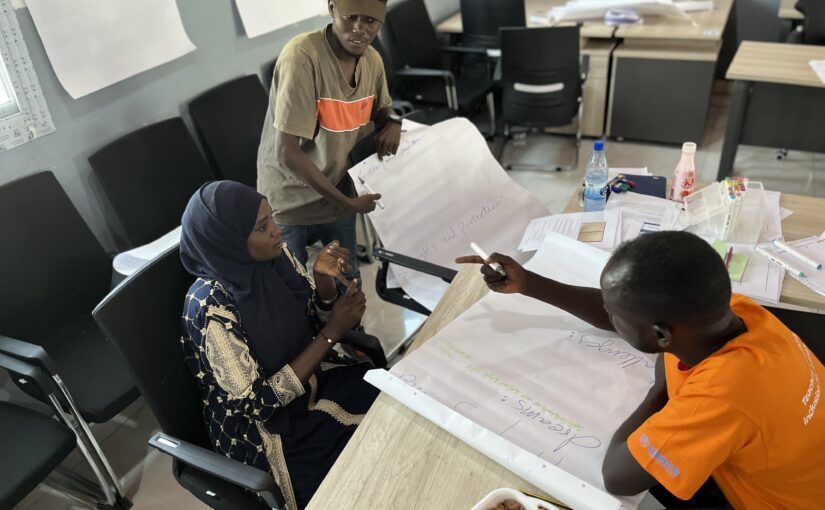
Mahamat collaborates with fellow peer researchers during a research training week.
I have been waiting for such an opportunity to conduct research for a while, and we hope to complete the research according to the plan. The research has changed my perspective for the better. I used to be a teacher in my homeland, and now, as a refugee, I had been cut off from communicating with others and conducting research. But after I was given the role of peer researcher, I began communicating with peer researchers in different countries and exchanging ideas with them.
The interviews and Focus Group Discussions I conducted with the participants, did not always go as expected or as planned. The people, the timings, and the places changed. In fact, when I conducted the interviews and discussions, no one I had scheduled to meet with refused to participate, but some cited exceptional circumstances, so they were replaced by other participants. The questions were answered well, but there were a few that were difficult to answer because the question was weak or the participant lacked information. Also, the environment had an impact on the interviews and discussions, particularly in institutions such as schools. There was noise that disrupted the recording process. As for the logistical aspect, I borrowed some equipment such as chairs and tables from the schools. The reaction from the participants was good. There were no national teachers among the participants, so we were unable to observe any differences.
The primary method I used for data collection was interviews. Participants often provided useful background information on education during the interviews. From the interviews and group discussions, I gathered that participants felt the inclusion process—even if it were to take place—would be difficult to implement, which surprised me.
I did not face any significant challenges throughout my work period because I made plans in an agreement with the participants regarding timing and location. There are no national teachers on the list and so there is no language barrier. However, some questions were awkwardly phrased – when I asked a question and asked them to answer, they would sometimes repeat the question back to me.
I benefited from this experience by sharing my insights and experiences through this blog with readers interested in the education of refugee children. I also learned a great deal about research, including types of research, data collection methods, and research frameworks. On the teaching front, I’ve sought to understand the educational issues and challenges faced by refugee communities amid the suspension of aid from donors and funders; the lack of such aid negatively impacts both individuals and society as a whole. I am sharing this piece with readers to reflect the life I live, and through this blog, I will continue to share my experiences with others.
This Think Piece is part of a series, featuring 18 refugee teachers from Chad, Uganda and Zambia. You can read the full publication here.
The contributors are peer researchers on a GERE study exploring refugee teacher inclusion, agency, and wellbeing. Read more about the study here.
“What have I learned about myself? I have learned how to empower myself.”
I am Maymoona Bathit Brago. I am from Sudan and I live in Touloum refugee settlement. I have been teaching since 2016, but I have been in Touloum settlement for two years.
The school environment is not too bad, but it is also not good enough. The students suffer a lot inside the class because it is overcrowded, and you can find more than one hundred and sixty students in one class. I thought my experience of collecting interviews and Focus Group Discussions (FGDs) was pretty awesome, and made me feel comfortable in my role as a teacher. As a refugee in the settlement, it made me proud to be a peer researcher helping my community.
My role as a woman changed a lot through my work as a teacher in the refugee settlement. It also changed the way I heard or understood what someone said during the data collection. For example, when I did the focus group discussion, some of them didn’t understand Arabic. I did my best to explain to them using their mother tongue language. I also learned how to empower myself.
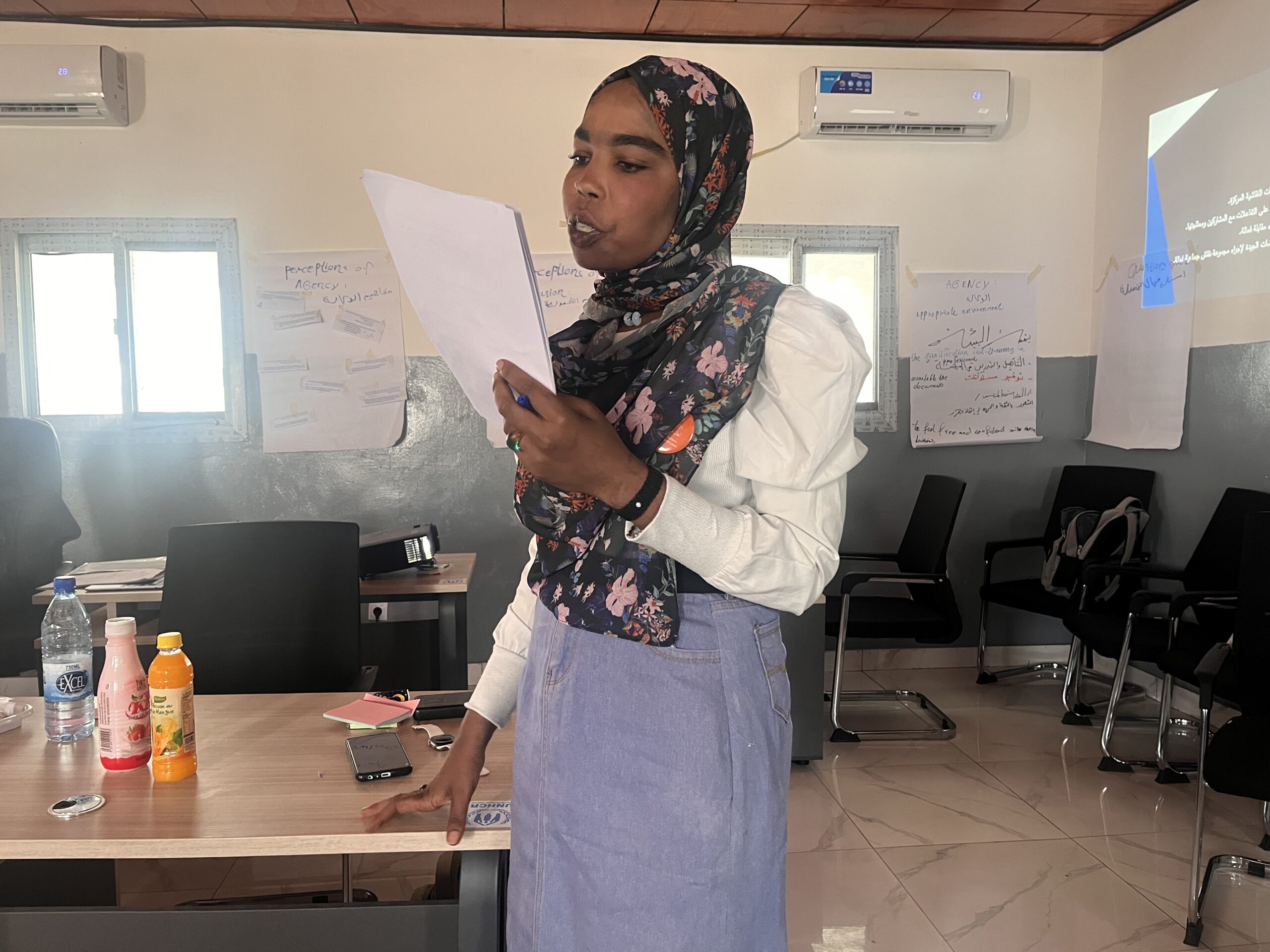
Maymoonapresents to her fellow peer researchers during a research training week.
The interview and FGDs were different from what I expected. I was not able to speak to all the individuals as I planned because some of them are farmers and live far away from the settlement. Also, the teachers were on holiday and the network was pretty bad. The participants didn’t respond to all the questions in the way that I expected because they are far away from the information, and it was their first time hearing about it. They just do their duty, nothing much more.
In terms of how the conversation unfolded and how participants responded to me, it was positive because they have hope in order to make their dreams a reality. Yes, I noticed the difference in how national teachers, refugee teachers or inactive teachers engaged with me. All of them said it was their first time finding an organisation interested in solving their problems.
The time I enjoyed most in data collection was the individual data collection with teachers. Thinking about a specific moment, I had a conversation with a secondary school teacher. This teacher had no monthly salary at all and there were no other options for them. They had no security inside the school, whether from students or the community. It was a painful conversation because they were in conflict about whether to leave or stay at the school.
I also learnt a lot from working alongside the other peer researchers. They all have hope, and work hard in order to achieve their dreams.
What have I learned about myself? I have learned how to empower myself. I learnt that every action has a reaction in my community. There is always hope for their wellbeing.
And if I can share one message with someone reading this blog, it would be this piece of wisdom: when there is a negative there will be a positive. We must always use our words to change the situation, not to describe the situation.
This Think Piece is part of a series, featuring 18 refugee teachers from Chad, Uganda and Zambia. You can read the full publication here.
The contributors are peer researchers on a GERE study exploring refugee teacher inclusion, agency, and wellbeing. Read more about the study here.
“What struck me most was the teachers’ strong sense of belonging to their schools despite the poor educational environment, low salaries, and psychological pressures they face.”
I am Saddam Adam Rashid, living in eastern Chad, in the Hiba’ province, within the Iridimi refugee settlement. I have been working as a secondary school teacher and a peer researcher since 2023. The school where I work represents a common model for refugee schools; it suffers from an unstable educational environment, weak support for teachers, a lack of training and qualification, in addition to low salaries and low community appreciation for the teacher’s role.
Through my participation in collecting data, conducting interviews, and organising focus groups, I underwent a significant educational and humanitarian experience. I learned how to listen attentively to others’ opinions, respect their different viewpoints, and provide them with a safe space to express their thoughts and experiences. This interaction gave me a feeling of psychological satisfaction and strengthened my interest in research alongside my work in teaching.
Sadam engages with the data collection resources during a research training week.
Initially, I expected that participants would have difficulty understanding the questions or accepting others’ opinions, but what happened was the complete opposite; the participants showed great openness and enthusiasm to participate. Through their answers, it became clear that many of them are under psychological stress due to the social and economic circumstances surrounding them.
The data collection experience was enjoyable and useful, as it gave me greater confidence in my ability to conduct research in various fields. What struck me most was the teachers’ strong sense of belonging to their schools despite the poor educational environment, low salaries, and psychological pressures they face.
However, I faced some challenges, most notably the lack of trust some participants had towards humanitarian organisations. Therefore, before starting any interview or discussion, I made sure to clarify the nature of the Jigsaw’s work and how support is provided, which helped build greater trust and facilitate the collection of information.
This experience confirms my belief that education is the foundation for the renaissance of societies, and that improving the quality of education begins with caring for and supporting the teacher. I also learned that understanding problems requires giving participants enough space to express their opinions and contribute to finding solutions themselves.
This Think Piece is part of a series, featuring 18 refugee teachers from Chad, Uganda and Zambia. You can read the full publication here.
The contributors are peer researchers on a GERE study exploring refugee teacher inclusion, agency, and wellbeing. Read more about the study here.
This video was prepared for a roundtable debate at the Global Refugee Forum 2025. The participatory roundtable aimed to amplify the lived realities of refugee teachers, elevate their policy-relevant perspectives, take stock of progress and learning, whilst reinforcing the urgent need for sustainable and equitable financing for education and teachers in crisis settings. Our GERE-Research contribution included hearing from our refugee teacher researchers in Chad, Uganda and Zambia, as well as some emerging findings from our research.
The Scaling Refugee Teacher National Inclusion Models for Enhanced Agency and Well-being project is a 33-month research study as part of the GERE research initiative – a partnership between Jigsaw, Refugee Education UK and UNHCR. Running from 2024–2027 in Chad, Uganda, and Zambia, the project explores how refugee teachers can be more effectively included in national education systems in ways that strengthen both their agency and their wellbeing.
Across the three countries, 18 refugee teachers have been recruited as peer researchers. They play a central role in shaping research tools, conducting fieldwork, and bringing critical contextual insights to the study. Through an accredited training programme, they are being equipped not only as researchers but also as reflective, evidence-based practitioners.
The Scaling Refugee Teacher National Inclusion Models for Enhanced Agency and Well-being project is a 33-month research study as part of the GERE research initiative – a partnership between Jigsaw, Refugee Education UK and UNHCR. Running from 2024–2027 in Chad, Uganda, and Zambia, the project explores how refugee teachers can be more effectively included in national education systems in ways that strengthen both their agency and their wellbeing.
Across the three countries, 18 refugee teachers have been recruited as peer researchers. They play a central role in shaping research tools, conducting fieldwork, and bringing critical contextual insights to the study. Through an accredited training programme, they are being equipped not only as researchers but also as reflective, evidence-based practitioners.
The first round of training and data collection is complete in each country. Peer researchers took part in a week-long programme covering core research methods, and then each peer researcher administered 30 teacher surveys in their communities, contributing over 540 responses across the cohort.
At UKFIET 2025, we shared a short video in which peer researchers introduced themselves and reflected on the first phase of the project. They speak about their experiences of teaching in their host countries, and their first steps as researchers in this project. Their contributions were warmly received, and the video was especially appreciated for bringing refugee teacher voices directly into the conference space.
The voices of our peer researchers highlight the potential of refugee teacher researchers to shape more inclusive and equitable education systems.