What I discovered through data collection in Chad
“What struck me most was the teachers’ strong sense of belonging to their schools despite the poor educational environment, low salaries, and psychological pressures they face.”
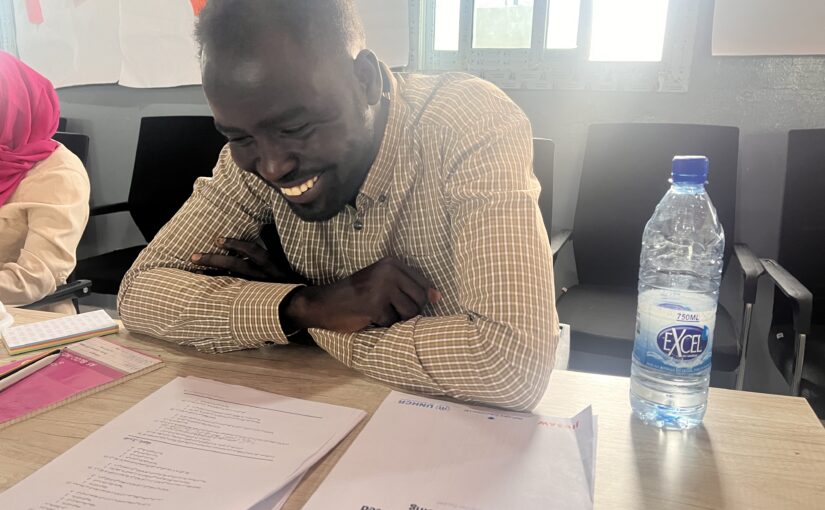
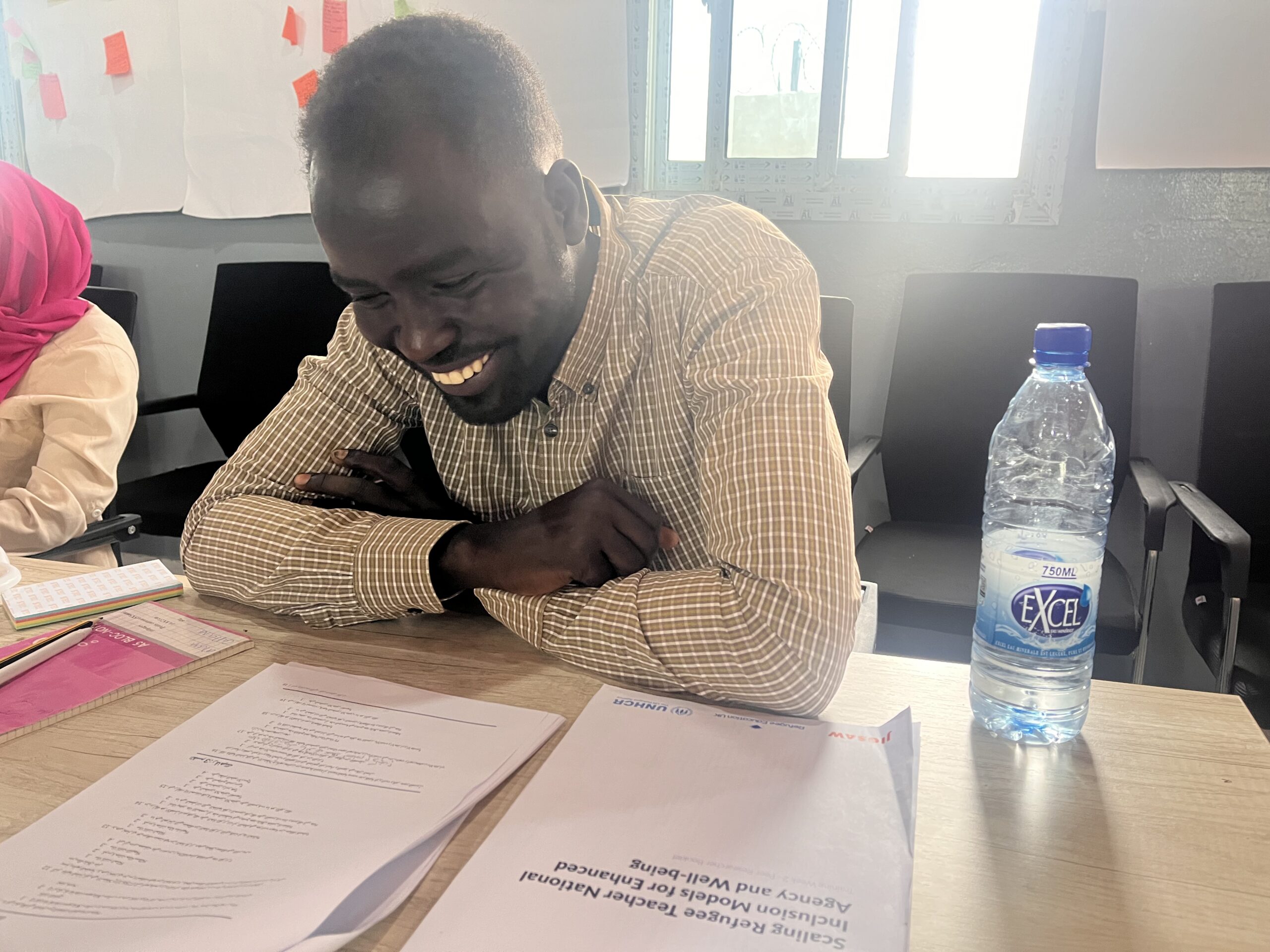
I am Saddam Adam Rashid, living in eastern Chad, in the Hiba’ province, within the Iridimi refugee settlement. I have been working as a secondary school teacher and a peer researcher since 2023. The school where I work represents a common model for refugee schools; it suffers from an unstable educational environment, weak support for teachers, a lack of training and qualification, in addition to low salaries and low community appreciation for the teacher’s role.
Through my participation in collecting data, conducting interviews, and organising focus groups, I underwent a significant educational and humanitarian experience. I learned how to listen attentively to others’ opinions, respect their different viewpoints, and provide them with a safe space to express their thoughts and experiences. This interaction gave me a feeling of psychological satisfaction and strengthened my interest in research alongside my work in teaching.
Initially, I expected that participants would have difficulty understanding the questions or accepting others’ opinions, but what happened was the complete opposite; the participants showed great openness and enthusiasm to participate. Through their answers, it became clear that many of them are under psychological stress due to the social and economic circumstances surrounding them.
The data collection experience was enjoyable and useful, as it gave me greater confidence in my ability to conduct research in various fields. What struck me most was the teachers’ strong sense of belonging to their schools despite the poor educational environment, low salaries, and psychological pressures they face.
However, I faced some challenges, most notably the lack of trust some participants had towards humanitarian organisations. Therefore, before starting any interview or discussion, I made sure to clarify the nature of the Jigsaw’s work and how support is provided, which helped build greater trust and facilitate the collection of information.
This experience confirms my belief that education is the foundation for the renaissance of societies, and that improving the quality of education begins with caring for and supporting the teacher. I also learned that understanding problems requires giving participants enough space to express their opinions and contribute to finding solutions themselves.

This Think Piece is part of a series, featuring 18 refugee teachers from Chad, Uganda and Zambia. You can read the full publication here.
The contributors are peer researchers on a GERE study exploring refugee teacher inclusion, agency, and wellbeing. Read more about the study here.
Funding
This work is supported by the Global Partnership for Education Knowledge and Innovation Exchange, a joint endeavour with the International Development Research Centre, Canada. The views expressed herein do not necessarily represent those of IDRC or its Board of Governors.