Building trust through shared experiences
“[The] experience showed me how important it is to involve people who understand the community when conducting research. Using peer researchers helps build trust and allows participants to share their experiences more openly.”
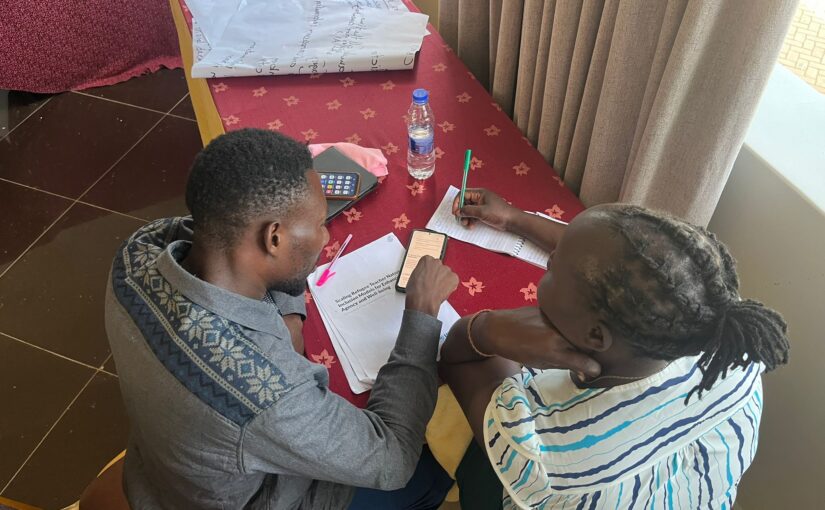
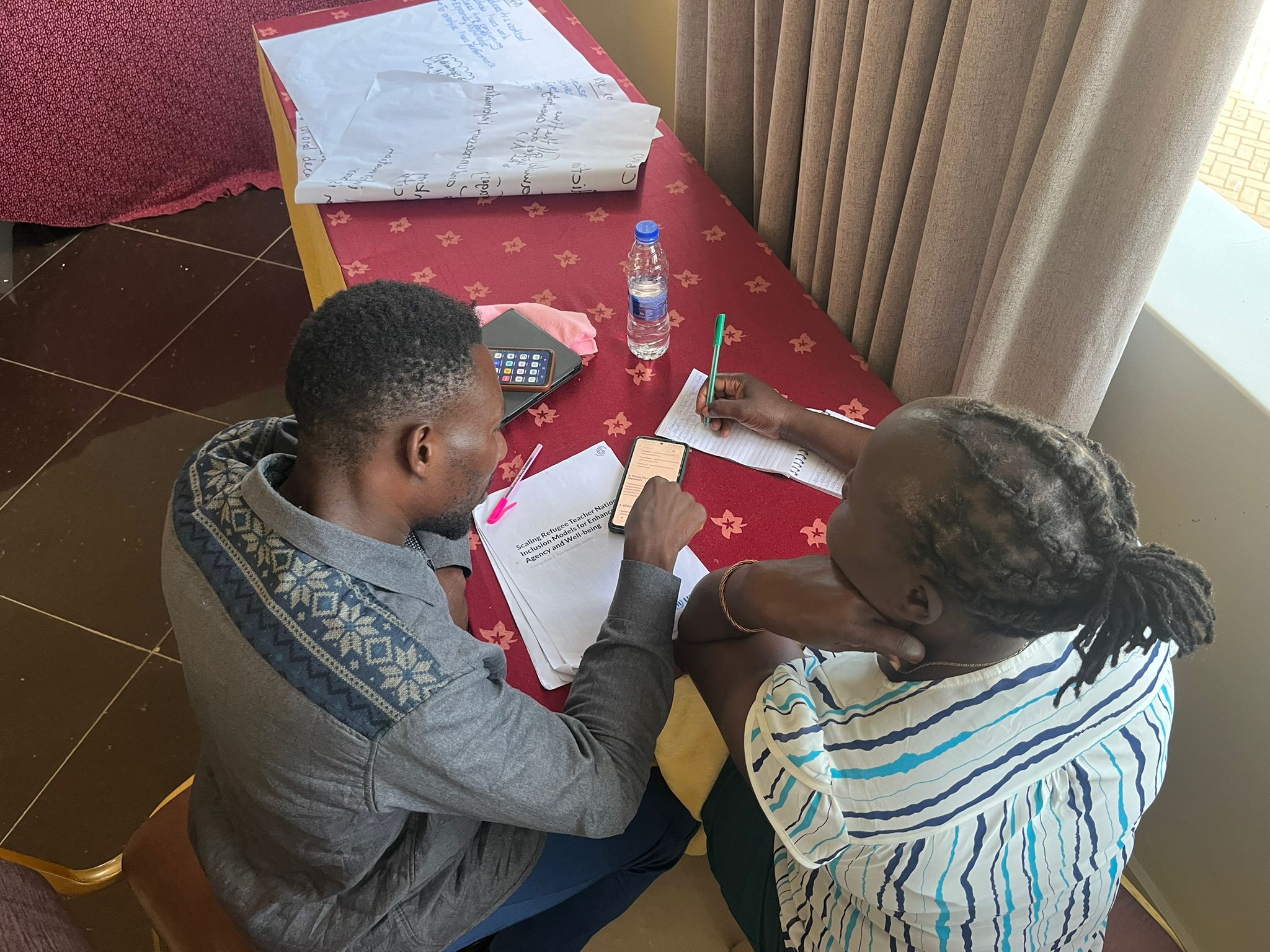
My name is Margaret Atto. I am a refugee currently living in Uganda and a teacher by profession. I have taught for over 10 years. Currently I am volunteering, teaching both lower and advanced secondary level. I am also a peer researcher with Jigsaw and recently I had the opportunity to engage with and collect data from fellow refugee teachers about their experiences, challenges and opportunities in accessing teaching in the national education system.
As a refugee teacher and peer researcher, collecting data from fellow refugee teachers was both a practical and meaningful experience. Many participants felt comfortable sharing their stories with me because they knew that I was also a refugee and understood their situation. This created trust and openness during the discussions. Some participants confidently shared their personal journeys, the barriers they face in accessing teaching opportunities, and their efforts to continue contributing to education despite these challenges.
One important realisation during the research process was that refugee teachers often feel more comfortable discussing their experiences with fellow refugees who understand their context. Because of this shared background, they considered me more like a colleague than an outsider. This made it easier for them to openly share their experiences and provide rich and detailed information based on their practical teaching experiences. What I enjoyed most about collecting data was the opportunity to build trust with the refugee teachers. Through these conversations, I was able to collect meaningful and authentic information about how they cope with professional and social challenges. I also witnessed their strong passion for teaching and their determination to continue supporting learners, even in difficult circumstances.
One particular thing that stood out for me was when a colleague shared how he offered to work as a translator in a primary school where most learners came from an Arabic – speaking background, while some of the national teachers didn’t understand the learners’ language. Because he understood the language, he helped translate the teacher’s explanations so that learners could better understand the concepts being taught. This showed how much refugee teachers can play an important role in bridging language cultural gaps in classrooms.
However, the data collection process also had its challenges. One of the main challenges was organising participants for Focus Group Discussions because the teachers lived in different villages within the settlement, which made it difficult to bring them together to attend the organised meeting. In some cases participants withdrew at the last minute due other commitments, making it difficult to get replacement or reschedule meetings. Despite these challenges, experience showed me how important it is to involve people who understand the community when conducting research. Using peer researchers helps build trust and allows participants to share their experiences more openly.
Above all, what stood out most was the resilience of refugee teachers. Despite facing many difficulties, including limited employment opportunities and lack of stable income, many of them continue teaching without pay because they believe in the importance of education and hope that their situation will improve in the future. One key lesson I learned from this experience is that the voices of refugee teachers need to be heard. Their challenges and contributions should be recognised and addressed with urgency. Research should not only focus on collecting information but also on understanding people’s experiences, building trust and using the findings to support meaningful change.
Participating in this research has enriched my experience in participatory research and strengthened my understanding of its role in promoting inclusion of refugee teachers in the national education system.

This Think Piece is part of a series, featuring 18 refugee teachers from Chad, Uganda and Zambia. You can read the full publication here.
The contributors are peer researchers on a GERE study exploring refugee teacher inclusion, agency, and wellbeing. Read more about the study here.
Funding
This work is supported by the Global Partnership for Education Knowledge and Innovation Exchange, a joint endeavour with the International Development Research Centre, Canada. The views expressed herein do not necessarily represent those of IDRC or its Board of Governors.