My experience as a refugee teacher and Peer Researcher
By Mahamat Adam
“After I was given the role of peer researcher, I began communicating with peer researchers in different countries and exchanging ideas with them.”
I live in a refugee settlement in Chad and work as a teacher in refugee community schools. I worked as a teacher from 2005 to 2009 in Sudan. And from 2009 until now, I have been working in refugee community schools in Chad. It seems to me that working as a teacher in the context of refugee environments requires endurance and patience because in emergency situations, there is no clear plan for implementation, the learning environment is poor, and there is a lack of educational resources and infrastructure.
My experience in data collection – both as a teacher and a peer researcher – fills me with pride and a sense of accomplishment. This has been my life’s work. I can compare teaching in my home country to teaching in a refugee setting, and there is a significant difference.
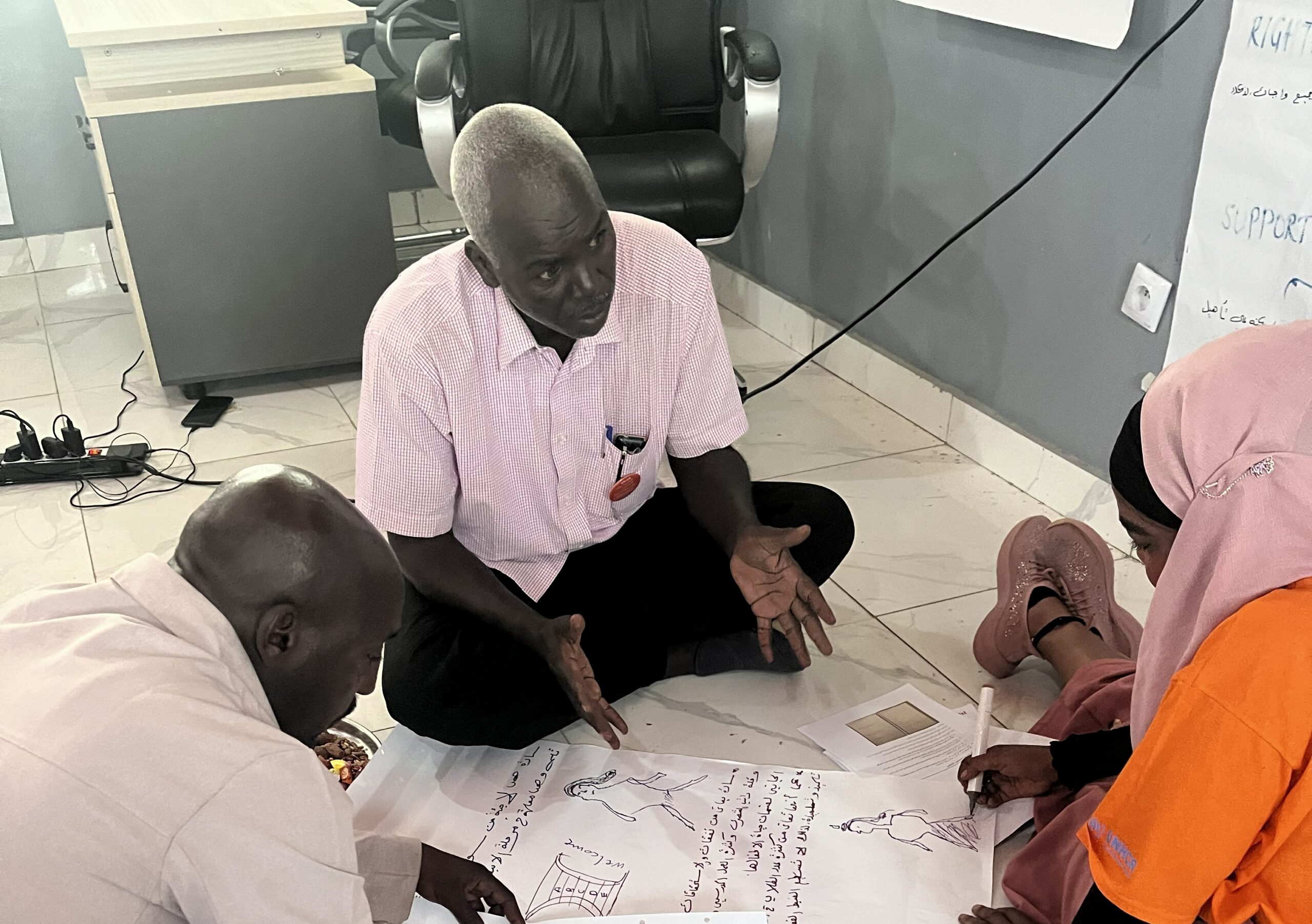
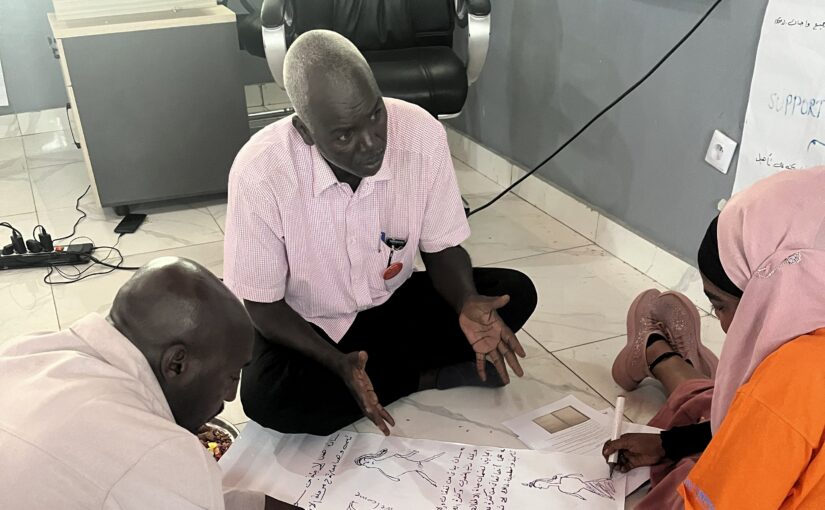
I have been waiting for such an opportunity to conduct research for a while, and we hope to complete the research according to the plan. The research has changed my perspective for the better. I used to be a teacher in my homeland, and now, as a refugee, I had been cut off from communicating with others and conducting research. But after I was given the role of peer researcher, I began communicating with peer researchers in different countries and exchanging ideas with them.
The interviews and Focus Group Discussions I conducted with the participants, did not always go as expected or as planned. The people, the timings, and the places changed. In fact, when I conducted the interviews and discussions, no one I had scheduled to meet with refused to participate, but some cited exceptional circumstances, so they were replaced by other participants. The questions were answered well, but there were a few that were difficult to answer because the question was weak or the participant lacked information. Also, the environment had an impact on the interviews and discussions, particularly in institutions such as schools. There was noise that disrupted the recording process. As for the logistical aspect, I borrowed some equipment such as chairs and tables from the schools. The reaction from the participants was good. There were no national teachers among the participants, so we were unable to observe any differences.
The primary method I used for data collection was interviews. Participants often provided useful background information on education during the interviews. From the interviews and group discussions, I gathered that participants felt the inclusion process—even if it were to take place—would be difficult to implement, which surprised me.
I did not face any significant challenges throughout my work period because I made plans in an agreement with the participants regarding timing and location. There are no national teachers on the list and so there is no language barrier. However, some questions were awkwardly phrased – when I asked a question and asked them to answer, they would sometimes repeat the question back to me.
I benefited from this experience by sharing my insights and experiences through this blog with readers interested in the education of refugee children. I also learned a great deal about research, including types of research, data collection methods, and research frameworks. On the teaching front, I’ve sought to understand the educational issues and challenges faced by refugee communities amid the suspension of aid from donors and funders; the lack of such aid negatively impacts both individuals and society as a whole. I am sharing this piece with readers to reflect the life I live, and through this blog, I will continue to share my experiences with others.

This Think Piece is part of a series, featuring 18 refugee teachers from Chad, Uganda and Zambia. You can read the full publication here.
The contributors are peer researchers on a GERE study exploring refugee teacher inclusion, agency, and wellbeing. Read more about the study here.
Funding
This work is supported by the Global Partnership for Education Knowledge and Innovation Exchange, a joint endeavour with the International Development Research Centre, Canada. The views expressed herein do not necessarily represent those of IDRC or its Board of Governors.