Introducing the Peer Researchers: video for UKFIET 2025

The Scaling Refugee Teacher National Inclusion Models for Enhanced Agency and Well-being project is a 33-month research study as part of the GERE research initiative – a partnership between Jigsaw, Refugee Education UK and UNHCR. Running from 2024–2027 in Chad, Uganda, and Zambia, the project explores how refugee teachers can be more effectively included in national education systems in ways that strengthen both their agency and their wellbeing.

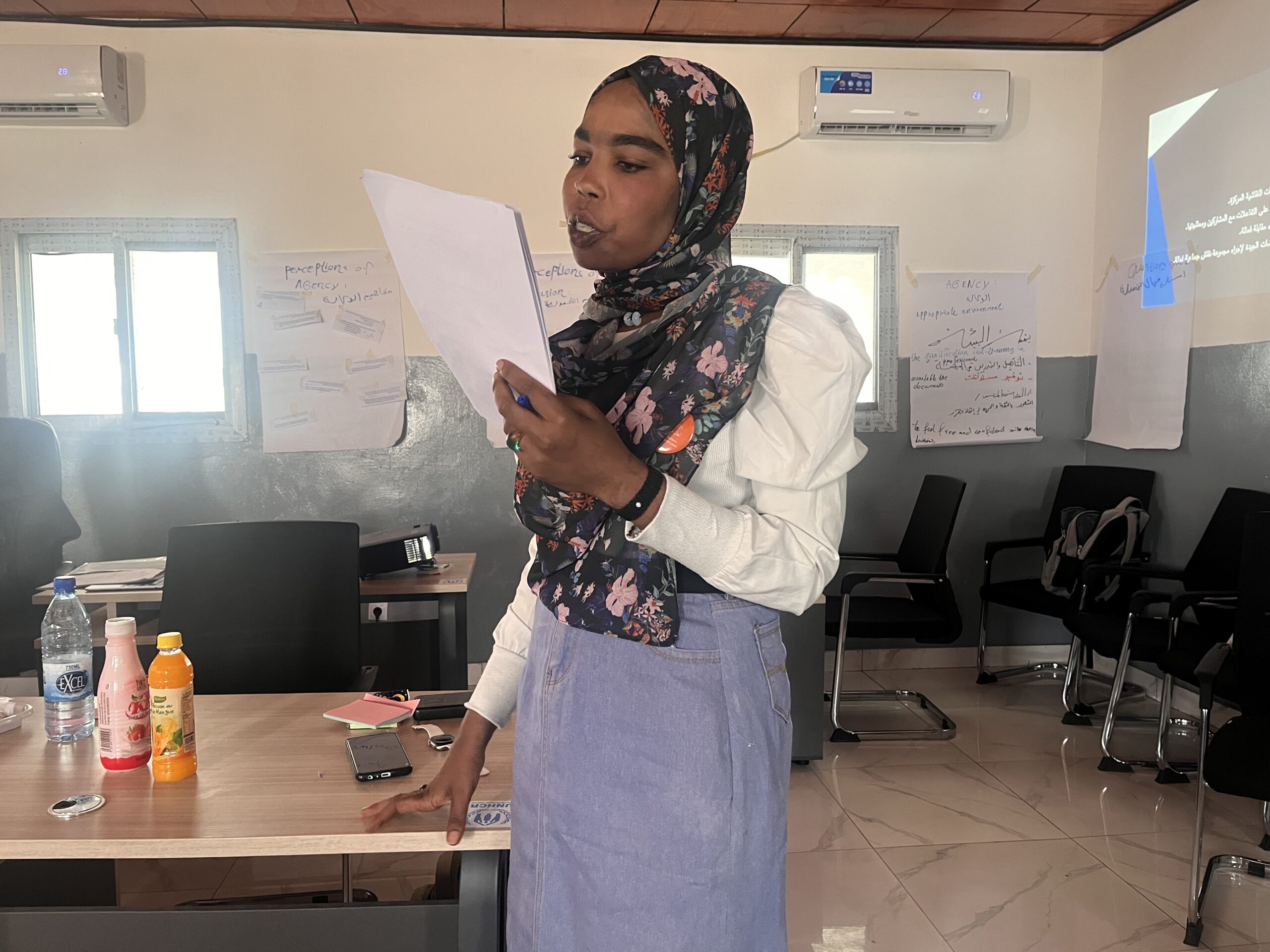
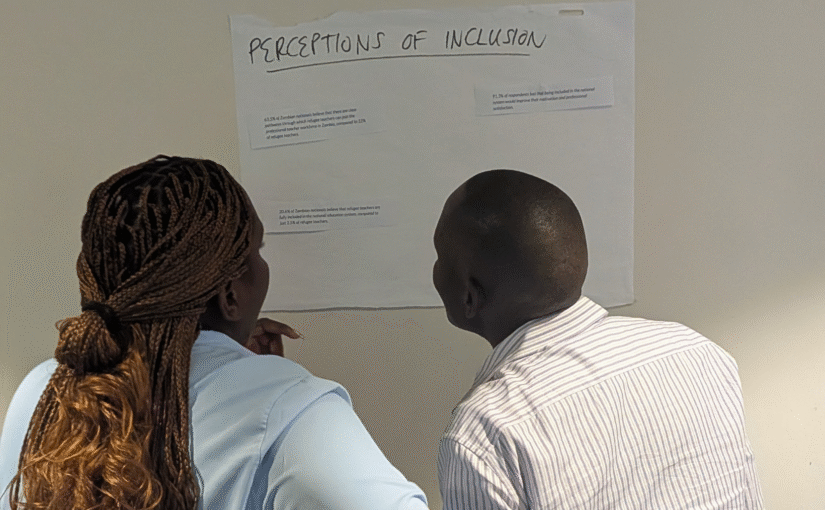
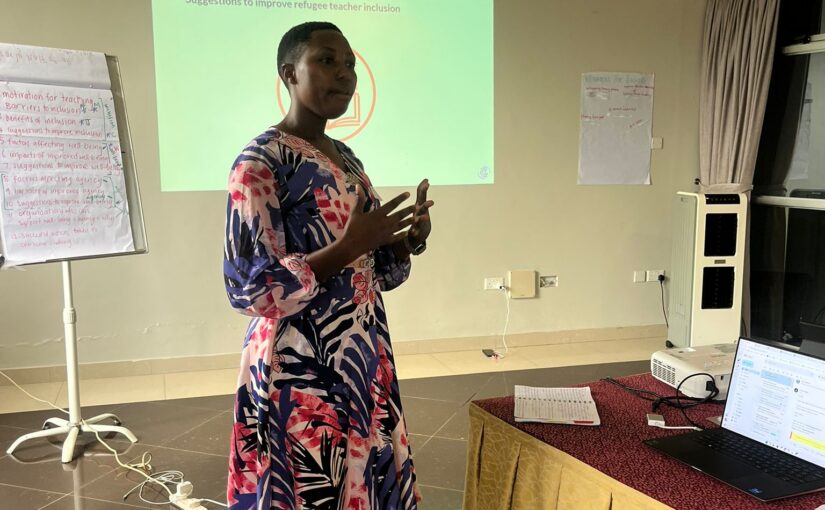
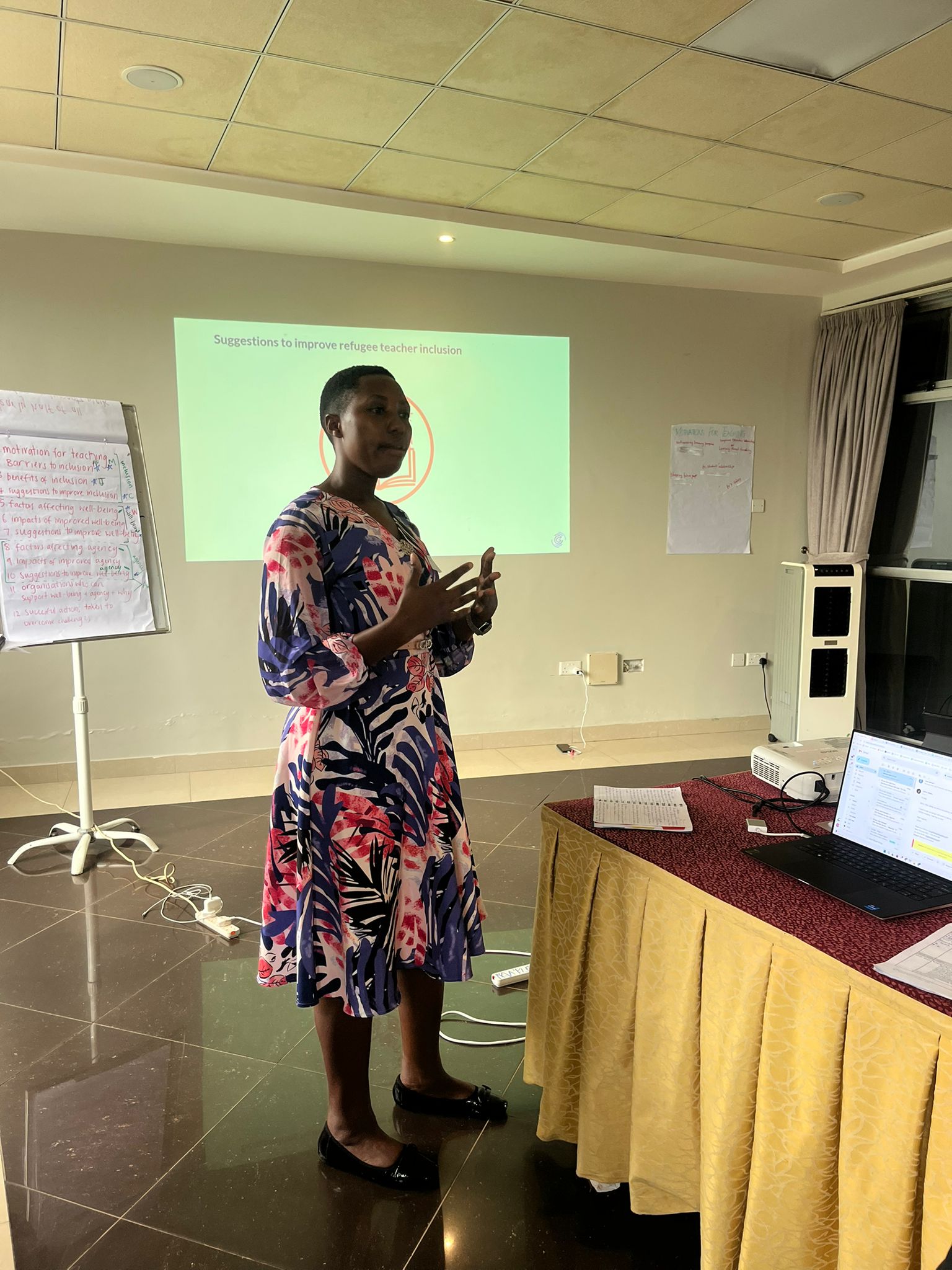
Across the three countries, 18 refugee teachers have been recruited as peer researchers. They play a central role in shaping research tools, conducting fieldwork, and bringing critical contextual insights to the study. Through an accredited training programme, they are being equipped not only as researchers but also as reflective, evidence-based practitioners.

The first round of training and data collection is complete in each country. Peer researchers took part in a week-long programme covering core research methods, and then each peer researcher administered 30 teacher surveys in their communities, contributing over 540 responses across the cohort.

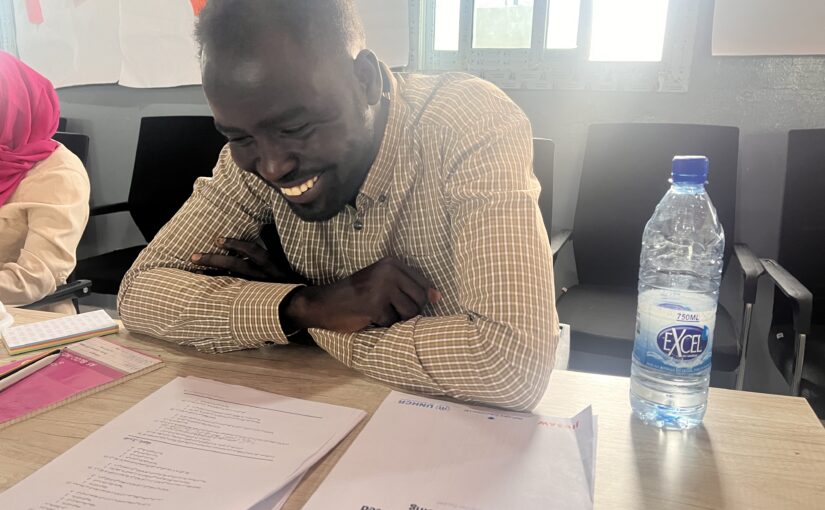
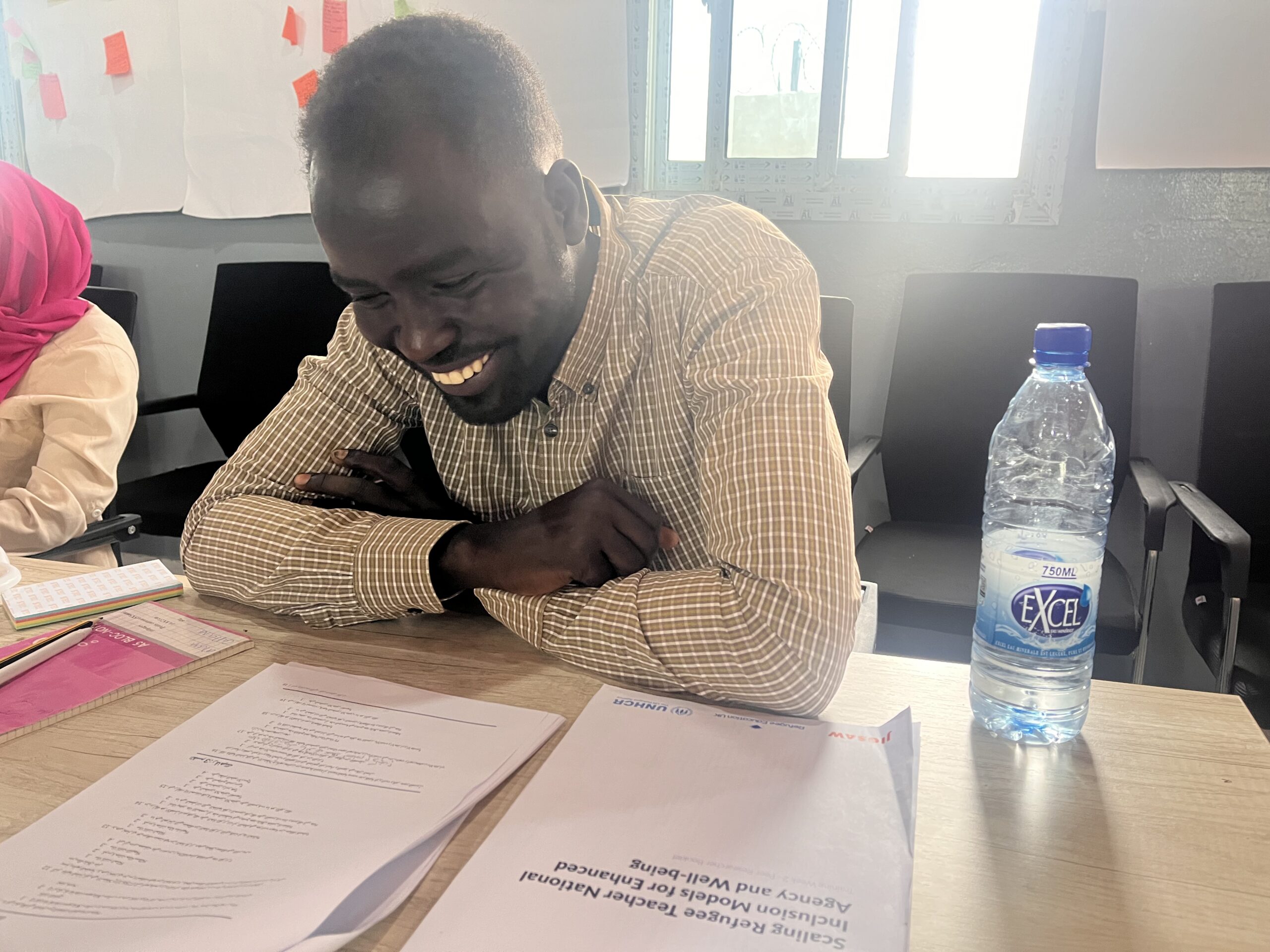
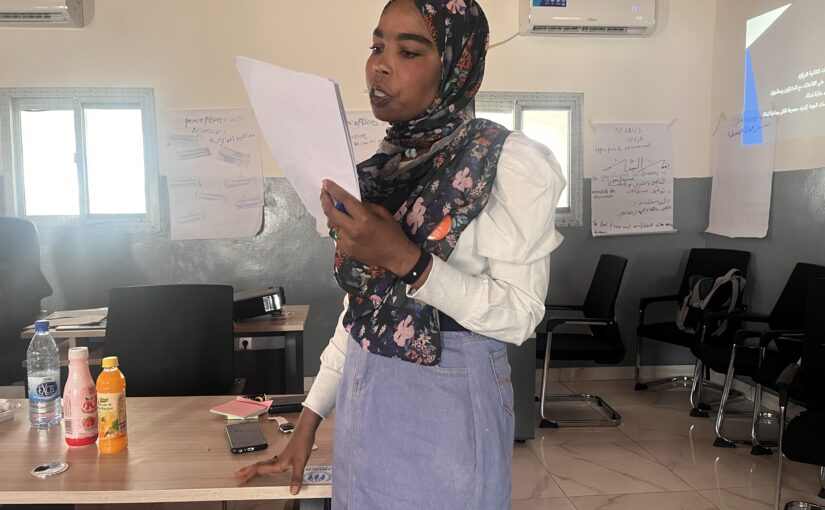
At UKFIET 2025, we shared a short video in which peer researchers introduced themselves and reflected on the first phase of the project. They speak about their experiences of teaching in their host countries, and their first steps as researchers in this project. Their contributions were warmly received, and the video was especially appreciated for bringing refugee teacher voices directly into the conference space.

The voices of our peer researchers highlight the potential of refugee teacher researchers to shape more inclusive and equitable education systems.

This work is supported by the Global Partnership for Education Knowledge and Innovation Exchange, a joint endeavour with the International Development Research Centre, Canada. The views expressed herein do not necessarily represent those of IDRC or its Board of Governors.
Training 1: participant reflections and key lessons

Training 1: participant reflections and key lessons

By Jigsaw

In this post, we share our key takeaways from the training conducted in Chad, Uganda and Zambia with the team of refugee teacher researchers.

The team of refugee teachers along with staff from Jigsaw, UNHCR, Windle International and Finn Church Aid in Uganda.
Facilitation during the training in Chad.
Participatory activities during the training in Zambia.
Refugee teachers participating in a group discussion during the training in Uganda.

Reflections from scoping visits in Chad, Uganda and Zambia

Reflections from scoping visits in Chad, Uganda and Zambia

By Jigsaw

In this post, we share our key takeaways from inspiring scoping visits to Uganda, Zambia and Chad, providing a foundation for the research approach.

More information on the study objectives and approaches can be found in our previous blog post.

Scaling refugee teacher inclusion models for enhanced agency and well-being: project launch

Scaling refugee teacher inclusion models for enhanced agency and well-being: project launch

By Jigsaw

We are excited to announce our latest GERE project. Conducted in partnership with UNHCR, this 33-month study will explore how to ensure that refugee teachers are able to work within the formal education systems of their host countries. Crucially, we will work to understand how the inclusion mechanisms that refugee teachers access can be scaled in a way that enhances their agency and well-being.

Celebrating the launch of the Voices of Refugee Youth research publications

Celebrating the launch of the Voices of Refugee Youth research publications

By Jigsaw and REUK

We’re delighted to announce the launch of the Voices of Refugee Youth research publications, which represent the culmination of a four-year research study.

Led by Jigsaw and Refugee Education UK – in partnership with UNHCR and funded by Dubai Cares – this research initiative focused on building the evidence base for post-primary refugee education, while also increasing young refugees’ access to and representation within education research. It acts as a prototype research study for GERE: the first of a series of research studies which position refugees at the centre of evidence-building.

The full set of research publications from Voices of Refugee Youth can be found here. This includes: the full research report; an executive summary of the findings and recommendations; two youth-authored education advocacy reports, one focused on Pakistan and the other on Rwanda; a toolkit for conducting participatory research; and a policy brief.

On Wednesday 18th October, to celebrate the launch of the research publications, Jigsaw and REUK hosted a webinar to share the findings from Voices of Refugee Youth and reflect on its participatory methodology. We were also delighted to be joined by Cirenia Chávez Villegas from UNHCR and Salim Salamah from FCDO. If you were unable to join us and would like to listen to the webinar, then please follow the link below.

My experience of remote data collection

My experience of remote data collection

By Steven Nshizirungu

Remote data collection is a type of data collection method that does not require in-person contact with people. Through remote data collection, enumerators can collect data by voice calls, video calls, or via online surveys. The world has increasingly embraced the usage of modern technology to facilitate international collaboration and the COVID-19 pandemic has further shifted in-person ways of working to remote ways. In this blog, I will reflect on my experience of collecting data remotely on the Voices of Refugee Youth (VoRY) project. I will share three points that I have learned and applied during remote data collection: the overall approach, necessary preparation, and effective communication.

Firstly, the process of conducting data collection in person was totally different from remote data collection. In-person data collection required me to meet physically with participants at school, and this made it easier to arrange meetings with participants who tended to respect the scheduled time. The remote data collection, however, required me to be more flexible so I could get my work done. During remote data collection, every participant would give me their preferred time and I needed to be flexible to accommodate the preferred time for that participant. This is different from physical data collection where you meet with a variety of participants in their locations and once one is not available, you work with who is available while waiting for others’ availability.

Secondly, I needed a sense of preparation. Setting up everything needed to get my work done was a high priority, so I would check the internet connection and power in my phone 30 minutes before the interview. This thorough preparation ahead of my interviews not only helped me to work smoothly with participants, but also gave me the time and opportunity to try and find an alternative when there happened to be a technical issue.

Thirdly, being an effective communicator led me to complete data collection successfully. Communicating to research participants consistently not only helped me to do the work better, but also made sure that everyone involved in the work was informed through the data collection process and felt involved and respected, and the effectiveness in communication made the process smoother.

To conclude, I have enjoyed working on data collection remotely. However, I also found it difficult to set up meetings with participants who had a work commitment and struggled to set specific times for the meeting. The advice that I can provide to future researchers planning to work on remote data collection is to be open-minded, have effective preparation, and have clear communication as the key to the successful completion of remote data collection work.

How to work effectively with youth in research

How to work effectively with youth in research

By Alexandre Irakoze

Based on my personal experience on the Voices of Refugee Youth (VoRY) project, I find that it is very interesting and often more fruitful to involve researchers who are young people in research, especially when the target population is also a younger generation.

After being selected by Jigsaw to be one of the youth researchers in the VoRY project in Rwanda in 2019, I was trained and equipped with the knowledge and skills needed to start my journey as a youth researcher. I started data collection in early 2020, surveying and interviewing young refugee students who were in their final year at a secondary school in Mahama refugee camp to understand the impact of post-primary education in emergencies. This experience has made me realise that using youth researchers to conduct research among young people via a participatory framework has many benefits for the quality of the research, the participants and the youth researchers themselves.

Regarding the benefits of a youth centered approach for the quality of the research, I witnessed that this enabled more objective, valid and credible information to be obtained. Respondents were clearly more comfortable talking with me instead of a more senior researcher.

Additionally, my involvement in this research has also provided the participants a role model, and potentially boosted their future aspiration and performance in class. While conducting a survey with a refugee student in Mahama camp, I asked him about his motivation for continuing into secondary school, and he replied: “you know that we know each other here in the camp. A few years ago, I used to see you going to school like me, but now you are surveying me as a youth researcher. This pushes me to work hard in class and to continue with my secondary studies, even university, in order to contribute to changing the world as you are doing now.” He also mentioned that he had seen many others excel after school, helping him to know that refugee education is not “wasting time” as some might believe.

I, as one of the youth researchers, have benefited and I am still benefiting from the youth-centred research approach: I learned many skills on how to collect, analyse, and interpret data, how electronic devices and platforms are used during data collection, analysis, and interpretation. Being able to lead data collection was also a great opportunity for me as I gained valuable research experience and a sense of ownership of the research process.

Based on my experience so far, I recommend that we should involve young people more in refugee education research by mobilising them to learn from available education research-opportunities and to prove that they can contribute to the positive changes happening in the world.

In brief, I believe that working with young people in research is beneficial and helpful for youth researchers, participants and the quality of the research itself.

Our perspective on education and employment opportunities for refugees

Our perspective on education and employment opportunities for refugees

By Israr Ullah and Abdul Musawer

Life can be hard for many people but is often even harder when you a refugee. To be able to build a better future it is necessary to have skills, which can be achieved by acquiring education either through formal schooling or technical education. However, it is not always easy to get a stable education, especially when you have migrated from your home country. In this blog, we will share our perspectives of the key issues faced by Afghan refugees who want to access education and employment, as well as a story of a young Afghan refugee participant from the Voices of Refugee Youth research study.

The main issues faced by Afghan refugees who want to be educated and employed in Pakistan are the barriers to accessing the country’s education system (including university) and access to employment after graduation. One must navigate the complex landscape of the labour market when trying to get a stable job due to labour laws and restrictions placed on companies within the host country.

In addition, there is always the mountainous barrier of economic issues: for example, refugees might struggle to secure source of income due to inflation in the host country. Pakistan itself is going through a hard phase due economic instability, which causes lack of job opportunities for her own citizens that exerts additional pressure on refugees seeking jobs.

Afghan refugees have also never been in a comfortable position either at schools or workplaces. After they graduate from secondary school, they will have to support their families and pay their university tuition fees, no matter what they are studying. The Higher Education Commission (HEC) of Pakistan have reserved only a single quota seat for Afghan refugees in public universities; if they fail to secure the only seat, they will have to get admission as an international which is very costly. Private universities require a tough admission process and they are also costly. Even for refugees who have managed to graduate from university, the lack of job opportunities remains an important issue which needs to be resolved. As a result, most of the graduated refugees must work as a labourer to support their family members.

During our data collection for Voices of Refugee Youth, we have interviewed many young Afghan refugees who shared their life stories – many of these are related to the obstacles refugees have faced and continue facing while seeking a job. It is always a pleasure to hear from refugees because we share their griefs. Here is a story of one refugee’s search for employment, after sixteen years of education.

The story starts with us travelling to conduct data collection with young Afghan refugees in Pakistan. We started to look for a school in a refugee camp: then, travelling out of the camp for half an hour in a car where there was no one to be seen, we approached the school and found a huge number of students studying in their classes. The scenario was quite strange for us youth researchers – its sight was familiar of what we have been through.

During our period of data collection at this school, we interviewed a young refugee. He told us about the dreams he had for his country and his family. We asked him about whether he thinks these dreams or goals are achievable? His eyes became moist and held his tears back, which were readable; we understood him. As a refugee, it feels as though no one really cares if he is literate or illiterate as it makes little difference to his future opportunities. He described his efforts to obtain education. He would walk in the early morning for an hour in both the hot Pakistani summer and the rainy winter days to be able to learn for the future. The future which he is unsure about, but he can only hope and knows that his chances will be few.

He then went on telling us about his daily routine. After returning from school, he would eat at home and then leave for his job, collecting garbage (mainly dry bread) and then selling it to the people who need to feed their animals. If he is able to earn money that day, the family would be able to eat, else they would have to sleep hungry. Making ends meet is always hard for those refugees who live in a rural area.

While we have always heard that education is key to success, the story of this young refugee makes us question about what kind of education is needed? He tried very hard to attend school for sixteen years while also working to earn money for his family, but he still has little hope for the future. What more can hardworking refugees do when we complete secondary education but are unable to access opportunities?

Afghan refugees rarely have any opportunities to pursue education and employment goals within the society, and instead often need to be a labourer or a daily-wage earner to feed his or her loved ones. Refugees not only lack attention from policy-makers in host countries, but even alternative education (like, the vocational training provided by UNHCR) often results in the same end product. More work is needed to ensure that refugees can use their education and achieve their goals. Thus, collective efforts are required from the local and international bodies including the countries around the world: the aim is to save the generations who dream for a prosper future and yet have dreams shattered because of their refugee status.

In the words of British Somali poet, Warsan Shire:

no one leaves home unless
home is the mouth of a shark

Quote from ‘Home’ by Warsan Shire: https://www.facinghistory.org/resource-library/home-warsan-shire

Our experience of conducting remote data collection

Our experience of conducting remote data collection

By Kelly Donnelle Iradukunda and Josiane Ntakarutimana

Since the beginning of the COVID-19 pandemic, many people across many sectors have had to shift to conducting various activities remotely. For us youth researchers in Rwanda, we have had to conduct data collection for the Voices of Refugee Youth project remotely and experience both the positive and negative effects of the pandemic on research. In this blog, we will outline our experience of remote data collection for the second data point (DP2) of the research study.

One thing we enjoyed the most about collecting data remotely was the ease of setting up appointments with the participants. We found it easier to arrange a time for a phone call than arranging a meet-up in-person at a particular location. This also meant that we could even talk in the evenings depending on the participants’ availability.

Moreover, remote data collection enabled us to access participants who were not located in Kigali for various reasons. We were able to talk to those who got jobs outside Kigali, and those who returned home after graduation. In addition, it took less time overall in comparison with face-to-face data collection.

Although collecting data remotely was helpful, it also had negative sides. The most difficult thing was ensuring the participants would answer our phone calls. Participants could refuse to pick up the phone call even after our initial contact and agreement on a time for a call because they were not interested anymore. It is often the case that we heard from their friends that they had changed their minds and were no longer interested in participating in the data collection. After calling their phones three times to ensure that they had refused to participate, we had to fill out forms saying that the participants were not interested in the data collection.

Another issue was that it was so hard for us to know if the participant was honest or not. This is because when conducting a face-to-face data collection, you can make better judgement based on the participant’s facial expressions that he/she is honest in what they are saying and this was not possible in a phone interview.

Moreover, it was very difficult to arrange focus group discussions because participants had different schedules. This made scheduling tricky because we had to make sure that we met all participants at the same time. Internet quality could make things hard because we could restart a call several times.

In comparison to DP1 (the first data collection point, before Covid-19), DP2 (after Covid-19) felt like a much bigger project. Collecting data remotely was not easy because many people were less talkative during phone calls. Participants found it demanding to hear, at the end of a survey, that there was going to be another key informant interview or focus group discussion. Some of them helped us with the surveys and refused to continue in other parts of DP2.

A piece of advice that we would like to give to anyone else doing remote data collection is that they have to be flexible and patient. This will help the most when the participants do not seem to be interested in the data collection. It takes time to make participants at ease so that they feel comfortable to respond to the questions. While it is difficult to avoid some of the other aspects of remote data collection, we found that being flexible and patient was an important way to make a success of this approach.

Highlights from Unit 3 and Unit 4 of the research methods training

Highlights from Unit 3 and Unit 4 of the research methods training

By Gaëlle Kaze

The Voice of Youth Researchers project
Since the beginning of 2020, Jigsaw, in collaboration with the United Nations High Commissioner for Refugees (UNHCR) and Refugee Education UK (then named Refugee Support Network, RSN), started “Voices of Refugee Youth: The Impact of Post-Primary Education in Emergency” in Rwanda (and Pakistan). The Voices of Refugee Youth (VoRY) project aims to amplify youth refugees’ voices to understand their perspectives on the education journeys they are on as refugees.

As part of the VoRY project, Jigsaw, together with UNHCR and REUK, has been working with young refugees in conducting research, and this is how our training as Youth Researchers started and we have received training in four stages over the years.

Recap of Unit 1 and Unit 2
I have had the privilege to be amongst other Youth Researchers as I followed the training in person for Unit 1 and conducted interviews with university students who were refugees. For the next two units (Units 2 and 3), we had to do the training online because of the disruptions caused by COVID-19.

Unit 1 focused on quantitative data collection where we learned in training on what quantitative data is, how to collect it, what tools to use and how to design them. We then collected data from student refugees. Unit 2 focused on qualitative data collection, where we learned how to practise Key Informant Interviews, Focus Group Discussions and transcribing. After training, we got to practise what we learned with the respondents.

Learnings and personal highlights from Unit 3
In this article, I want to share my highlights from Unit 3 on the research methods training we received. As mentioned above, from Unit 2 onwards, we completed the training virtually because of COVID-19. It was hard but we persisted and successfully completed Unit 2 training, which then enabled us to finish Unit 3 training on data analysis.

Unit 3 consisted of data analysis focused on analysing both qualitative and quantitative data, writing case studies and visualising data.

Data analysis consists of two phases. First, collected data needs to be prepared: this phase requires the researcher to clean and validate the data, check for informed consent and anonymise the data. The second phase focuses on analysing the data itself. For a good data analysis, there are some principles to follow such as being impartial, being thorough and rigorous and using critical/analytical thinking.

Case studies are used to explore the challenges faced by refugee young people, articulating the successes that happen in their life and the life of their closest friends and relatives as a result of their education and employment journey.

Data visualisation refers to the graphical representation of information and data. Its benefit is to make the data more understandable to the readers. An effective visualisation also requires different phases including cleaning complete data, picking the right type of visualisation to use, being concise and avoiding the use of too many colours.

In summary, Unit 3 was very interesting and also a little bit hard. There were so many new things to learn which seemed difficult and the fact that the learning happened virtually made it more difficult.

However, the practice and the explanation of our trainers helped us to understand more about the unit. During the training, I enjoyed learning about coding and interpreting: it was new to me and before I thought it was hard, but after learning and following the instructions it became easy. And now, months after the training, I still remember how to do it. Also it was the most useful for me because I now use these skills a lot.

The whole unit was interesting because it was all new to me. But the most interesting was the practice of writing a case study.

Personal highlights from Unit 4
Several months after Unit 3, we did the training of Unit 4 which consisted of 2 phases: the online training where we studied through modules and the in person training where we went through the module with our trainers.

Unit 4 covered 3 main components:
● Research deliverables and report writing
● Research presentation
● Research and advocacy

It was all very instructive to me. The most important things I learned in this unit were how to write a research report and preparing and delivering a research presentation.

Conclusion
To conclude, I would like to thank all the Jigsaw and Refugee Education UK team who made me a Youth Researcher and taught me so many things which will help me in the life of a researcher.